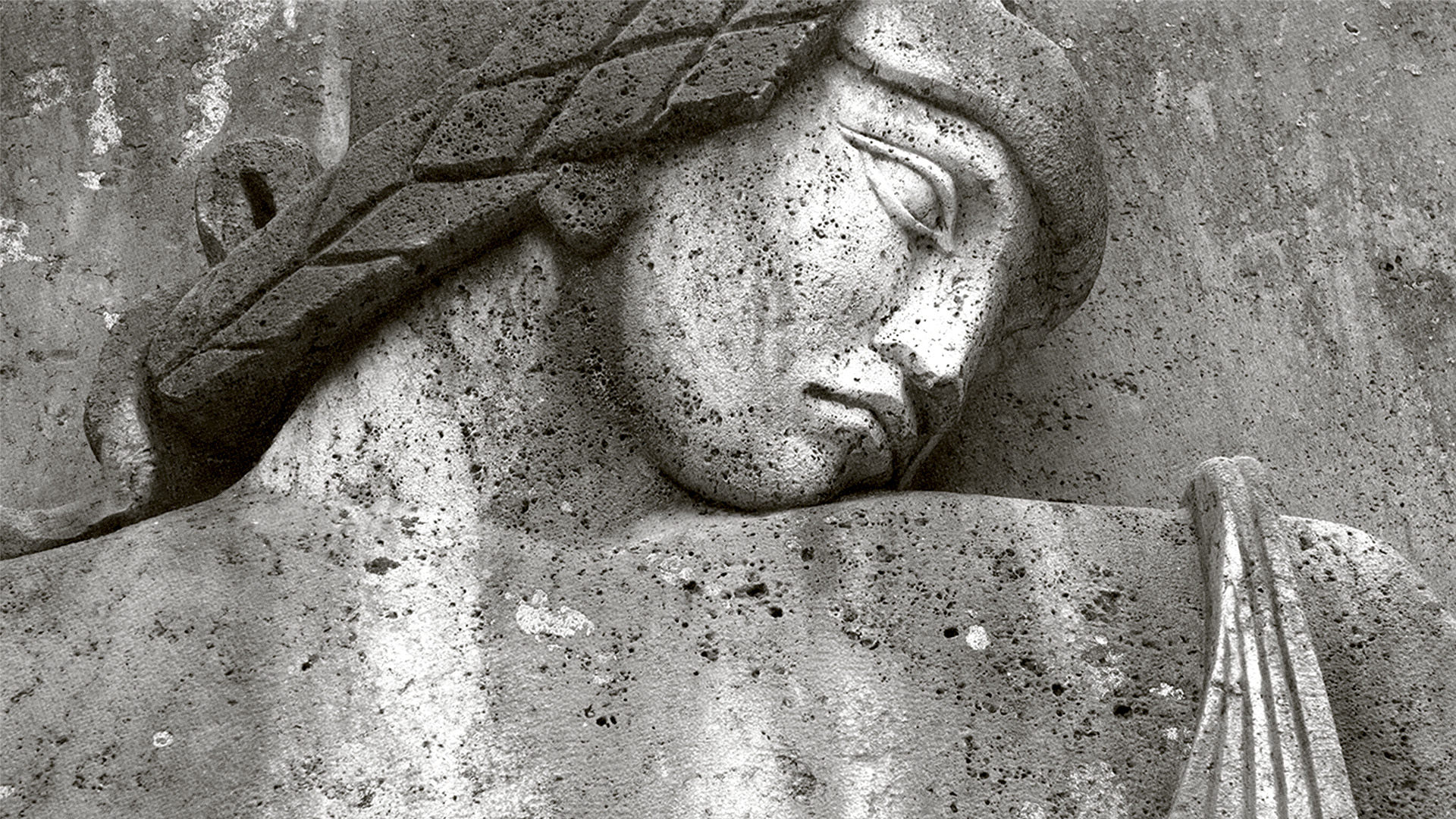


The phrase “absolute power corrupts absolutely” is often attributed to Lord Acton, a 19th-century British historian, who famously stated, “Power tends to corrupt, and absolute power corrupts absolutely.” This observation has become a timeless warning about the dangers of unchecked authority. But why does absolute power corrupt, and why do those who hold it often end up abusing it?
In both historical and modern contexts, examples abound of leaders, politicians, and CEOs who have fallen prey to the intoxicating effects of unchecked power. From authoritarian regimes to corporate scandals, the abuse of power has led to widespread suffering, injustice, and societal collapse. Let’s explore the psychology behind this phenomenon and explore why absolute power is so prone to corruption.
The Psychology of Power
Power, at its core, is the ability to influence or control the actions of others. When individuals gain power, especially unchecked power, it can fundamentally alter their behavior and decision-making processes. Here’s why:
- The Illusion of Invincibility: When someone holds absolute power, they often start to believe they are invincible or above the rules that govern everyone else. This illusion stems from a lack of accountability and the absence of opposing forces to check their actions. Leaders who face little to no resistance may begin to see their power as a personal attribute rather than a temporary position granted by others. This mindset can lead to reckless decision-making and a willingness to take extreme measures to maintain control.
- Decreased Empathy: Research in psychology suggests that as people gain power, they tend to exhibit lower levels of empathy and become less concerned about the needs and perspectives of others. This “power paradox” means that while power is often attained through social skills and empathy, once in power, individuals may lose the very qualities that helped them rise. The disconnect from the experiences and struggles of others can result in decisions that are self-serving and detrimental to the broader population.
- Moral Licensing: Absolute power can lead to a phenomenon known as moral licensing, where powerful individuals believe their previous good deeds or successes give them the right to act unethically. They may justify corrupt actions by convincing themselves that their overall impact is positive, or that their status entitles them to special privileges. This cognitive dissonance allows them to engage in behavior that would otherwise be condemned if done by others.
- Confirmation Bias and Echo Chambers: Powerful individuals often surround themselves with like-minded people or “yes-men” who reinforce their beliefs and decisions. This creates an echo chamber where dissenting opinions are filtered out, and the leader is shielded from criticism. As a result, they receive constant affirmation of their choices, further inflating their ego and sense of infallibility. The lack of constructive feedback and differing viewpoints can lead to poor decision-making and corruption.
- The Fear of Losing Power: Absolute power can create an intense fear of losing it. Leaders who once rose to power through legitimate means may resort to unethical practices to maintain their position. The fear of losing control and the privileges that come with it can drive individuals to engage in corruption, manipulate systems, silence critics, and oppress dissent. In many cases, the desire to retain power can lead to authoritarian behavior and the erosion of democratic processes.
Historical and Modern Examples
Throughout history, the consequences of absolute power have been evident in the actions of authoritarian leaders and despotic rulers. Figures like Joseph Stalin, Adolf Hitler, and Kim Jong-un have demonstrated how unchecked authority can lead to atrocities and human rights violations. These leaders, shielded from opposition and criticism, made decisions that resulted in immense suffering and widespread devastation.
In the corporate world, scandals like Enron, Theranos, and the 2008 financial crisis show how absolute power within an organization can lead to catastrophic outcomes. CEOs and executives, driven by greed and the illusion of invincibility, often engage in fraudulent activities, manipulate financial data, and exploit employees, leading to the collapse of companies and loss of livelihoods.
The tech industry has also seen its share of powerful figures abusing their positions. For instance, social media platforms run by influential CEOs have faced criticism for prioritizing profits over user privacy and the spread of misinformation. The lack of regulatory checks has allowed these companies to operate with significant power, often leading to decisions that harm society.
The Role of Systems and Accountability
The concept that absolute power corrupts is rooted in the lack of accountability systems. When power is concentrated in the hands of one individual or a small group, there are few checks and balances to limit their actions. Democratic systems, with their separation of powers, are designed to prevent the accumulation of absolute power by distributing it across different branches of government. However, even democracies can be vulnerable to corruption if checks and balances are weakened or ignored.
For instance, when leaders attempt to undermine judicial independence, control the media, or manipulate electoral processes, they erode the very systems meant to keep their power in check. Corruption thrives in environments where transparency is lacking, and institutions are weakened. A robust system of accountability, free press, and an independent judiciary are crucial in preventing the concentration and abuse of power.
The Seduction of Power and Human Nature
The allure of power is deeply ingrained in human nature. It provides not only control but also the ability to shape the world according to one’s vision. For many, this is a compelling, even addictive, prospect. Power can act as a psychological stimulant, much like a drug, leading to behaviors that individuals might not engage in otherwise. The more power one accumulates, the greater the temptation to use it for personal gain, often at the expense of others.
The phenomenon of “hubris syndrome” has been identified in some leaders who hold significant power. It describes a disorder characterized by excessive pride, overconfidence, and a loss of touch with reality. Leaders with hubris syndrome often make reckless decisions, believing they are above the law or immune to consequences.
How to Prevent the Corruption of Absolute Power
To mitigate the corrupting effects of absolute power, it is essential to implement systems that distribute authority and enforce accountability. Here are a few measures that can help:
- Separation of Powers: Dividing power among multiple branches of government ensures that no single entity has unchecked authority. The executive, legislative, and judicial branches serve as checks on each other, preventing the concentration of power.
- Transparency and Open Governance: Transparent decision-making processes and access to information help hold leaders accountable. Public scrutiny and a free press are critical in exposing corruption and ensuring that those in power act in the public’s best interest.
- Term Limits and Democratic Processes: Implementing term limits and promoting regular democratic elections can prevent leaders from entrenching themselves in power. By limiting the duration of leadership, the risks of absolute power and its corrupting influence are reduced.
- Strong Legal Frameworks: Enforcing laws against corruption and abuse of power is essential. Independent anti-corruption bodies and strong legal frameworks can investigate and prosecute those who misuse their authority, regardless of their position.
Conclusion
The saying “absolute power corrupts absolutely” is a timeless reminder of the dangers inherent in unchecked authority. Human nature, combined with the psychological effects of power, makes it difficult for individuals to resist the temptations that come with absolute control. History and contemporary examples show that without proper checks and balances, even well-intentioned leaders can fall prey to corruption.
To prevent the abuse of power, it is crucial to establish robust systems of accountability, ensure transparency, and promote democratic principles. By doing so, we can safeguard against the dangers of absolute power and work towards a fairer, more just society where leaders serve the people rather than themselves.