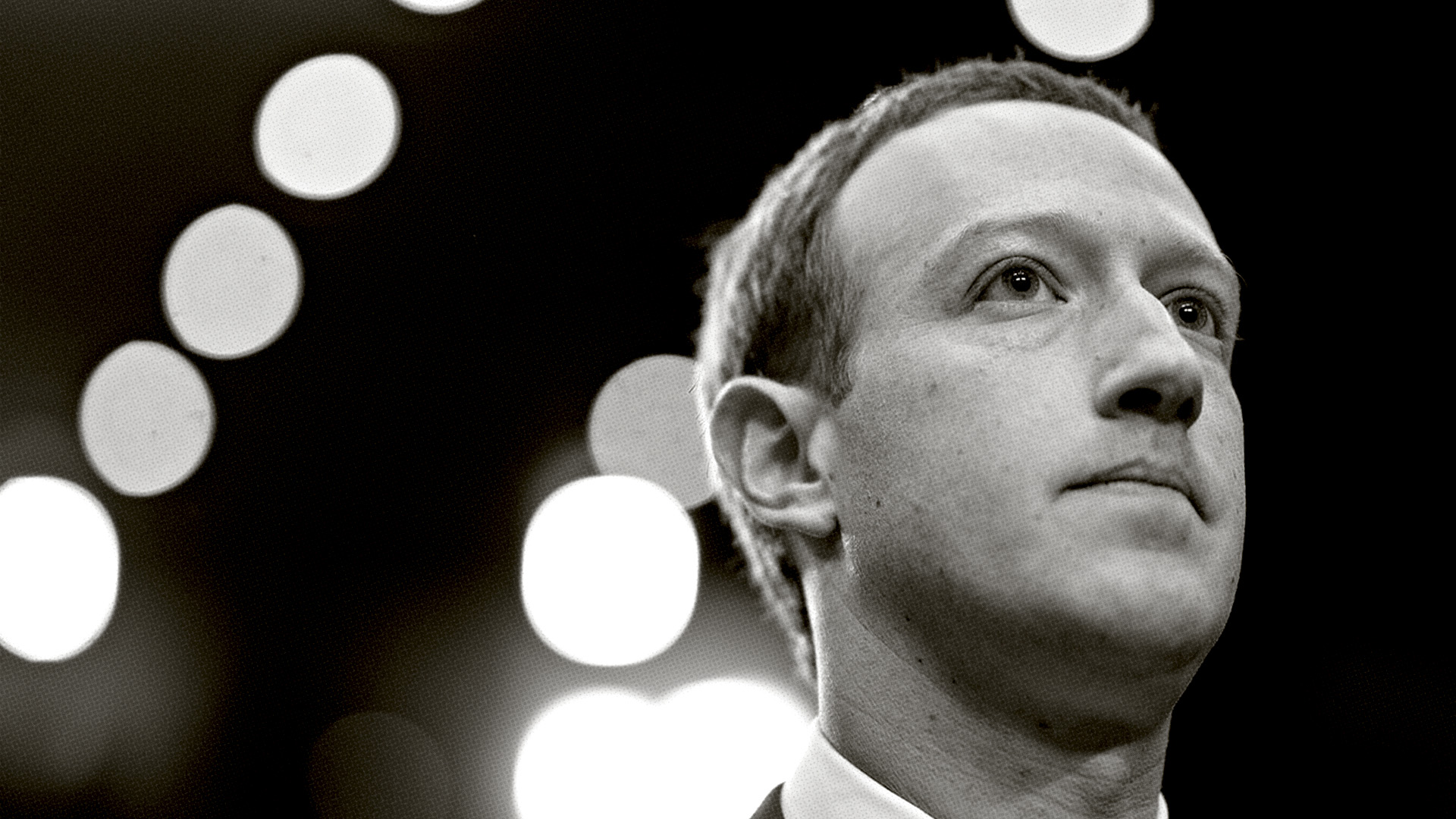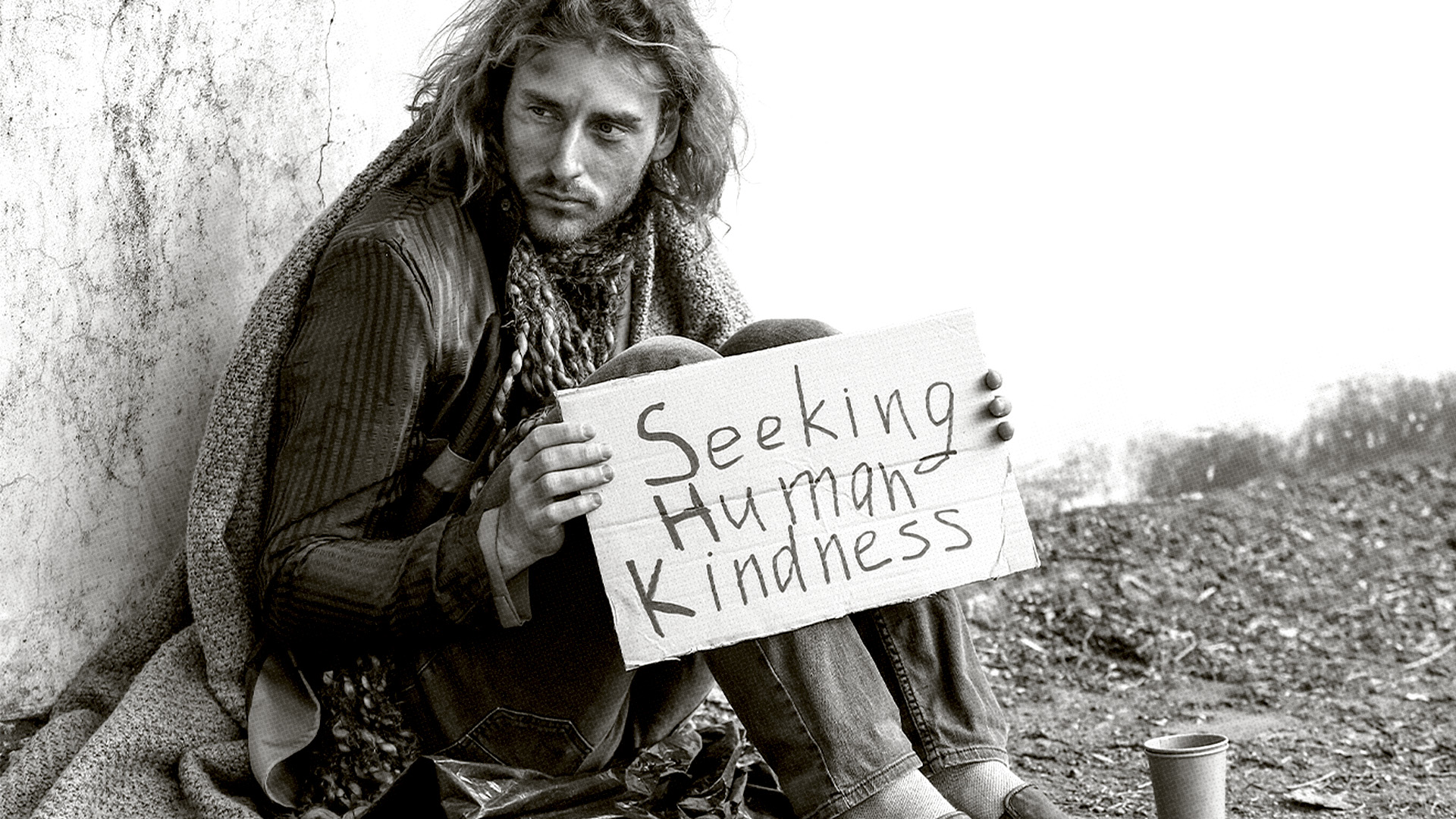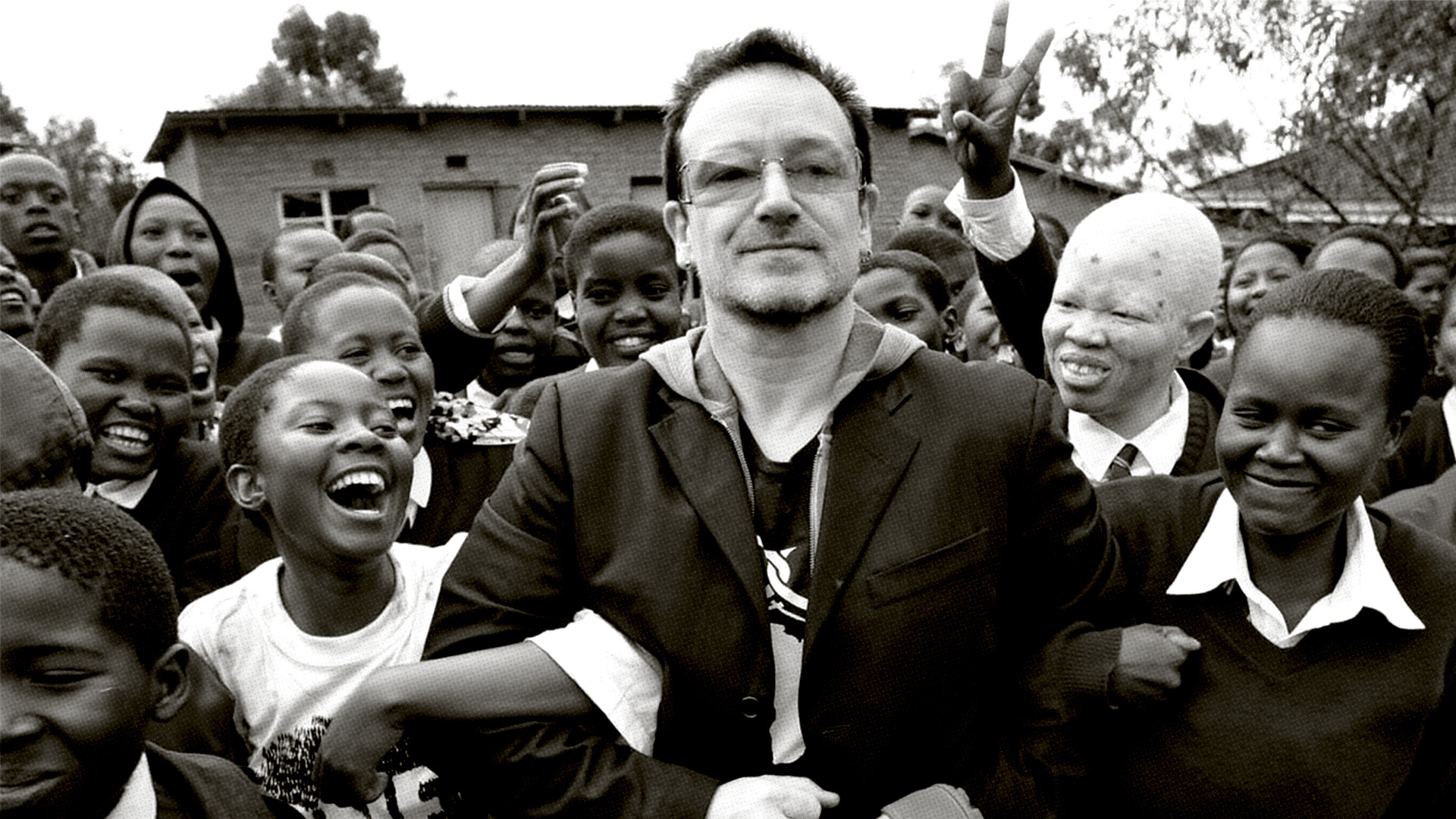


In recent years, celebrity activism has become a powerful and often polarizing force in social and political discourse. From raising awareness about climate change to championing human rights and social justice issues, celebrities have used their platforms to influence public opinion, drive charitable campaigns, and bring attention to causes that might otherwise go unnoticed. While some view celebrity involvement as a positive and necessary boost to social movements, others criticize it as performative, self-serving, or even detrimental.
But what is the true impact of celebrity activism on social movements? Does it genuinely help to advance causes, or does it risk overshadowing the voices of those most affected?
The Power of Celebrity Influence
Celebrities possess significant social capital, with the ability to reach millions of people across the globe through their social media platforms, interviews, and public appearances. This influence can be a double-edged sword; while it can amplify important messages, it also means that the narratives shaped by celebrities may sometimes become the dominant voices, potentially sidelining grassroots activists and the communities directly affected by the issues.
- Raising Awareness: One undeniable effect of celebrity activism is its ability to raise awareness on a large scale. When a high-profile figure like Leonardo DiCaprio speaks about climate change or Beyoncé advocates for racial justice, millions of people who might not otherwise be engaged with these issues are suddenly paying attention. Celebrities can shine a spotlight on causes that have been neglected by mainstream media, bringing them into the public consciousness and prompting conversations that might not have happened otherwise.
For example, when actress and activist Emma Watson delivered her speech at the United Nations to launch the HeForShe campaign, she drew global attention to gender equality and the importance of male allies in the fight for women’s rights. The speech went viral, generating widespread discussion and significantly increasing the campaign’s visibility.
- Mobilizing Resources and Funding: Celebrities often use their influence to raise funds for causes they support. Their star power can attract donations, sponsorships, and media coverage, giving a financial boost to social movements and non-profit organizations. This kind of financial support can be crucial, especially for smaller organizations that lack the resources to fund large-scale initiatives.
A notable example is the work of singer Rihanna, whose Clara Lionel Foundation has raised millions of dollars for global education, emergency response, and climate resilience. Her involvement has not only brought in substantial funding but has also increased awareness of issues like educational disparities in developing countries.
- Shaping Public Perception: Celebrities have the ability to shape public perception and change the narrative around social issues. By endorsing causes and sharing their personal experiences, they can humanize complex topics and make them more relatable to the general public. For instance, when Lady Gaga spoke openly about her struggles with mental health and launched initiatives to support mental health awareness, she helped reduce the stigma surrounding mental illness and encouraged her fans to seek help.
Similarly, when Colin Kaepernick, an NFL player, kneeled during the national anthem to protest racial injustice and police brutality, his actions sparked a nationwide conversation about systemic racism. Kaepernick’s protest brought attention to the Black Lives Matter movement and highlighted the ongoing struggle against racial inequality in the United States.
The Criticisms of Celebrity Activism
Despite its potential benefits, celebrity activism is not without its critics. Some argue that celebrities may unintentionally overshadow the very movements they seek to support, while others question the sincerity and effectiveness of their involvement.
- Performative Activism: One of the most common criticisms is that celebrity activism can be performative, with celebrities engaging in causes to boost their public image rather than out of genuine concern. The rise of social media has made it easier for celebrities to publicly support causes without necessarily taking substantial action behind the scenes. Posting a hashtag, attending a protest, or sharing a black square on Instagram can be seen as superficial gestures that do little to drive real change.
For instance, the “Blackout Tuesday” campaign, where celebrities and influencers posted black squares on social media to show solidarity with the Black Lives Matter movement, was criticized for being performative. While it generated significant attention, critics argued that it distracted from the movement’s core messages and failed to provide meaningful support to the cause.
- Sidelining Grassroots Voices: When celebrities become the face of a social movement, there is a risk that the voices of those most affected by the issues will be marginalized. Grassroots activists, who often have a deep understanding of the complexities of the issues and have been working tirelessly for years, may struggle to have their voices heard when a high-profile figure dominates the conversation. This can lead to a simplified or distorted understanding of the issues, as the narrative is shaped by someone who may not have the lived experience or deep knowledge of the topic.
For example, when celebrities like Madonna and Angelina Jolie became prominent figures in campaigns to address the HIV/AIDS crisis in Africa, some activists felt that their presence overshadowed local organizations and leaders who had been working on the ground for years. The focus on celebrity involvement can sometimes divert attention and resources away from grassroots efforts that are critical to driving lasting change.
- Lack of Expertise and Nuance: Celebrities, despite their influence, are not always experts in the causes they champion. Their involvement can sometimes lead to oversimplified narratives that do not fully capture the complexities of the issues at hand. For example, while actress Gwyneth Paltrow has used her platform to promote wellness and health-related causes, her recommendations have often been criticized for lacking scientific backing and promoting pseudoscience.
When celebrities speak on topics they are not well-versed in, there is a risk that they may spread misinformation or perpetuate misconceptions, inadvertently doing more harm than good. This can undermine the credibility of the social movement and detract from the work of experts and advocates who have a deeper understanding of the issues.
The Balance Between Celebrity and Grassroots Activism
The true impact of celebrity activism on social movements lies in striking a balance between leveraging star power and amplifying grassroots voices. Celebrities can play a valuable role in raising awareness, attracting funding, and shaping public perception, but it is essential that they use their platforms responsibly and in collaboration with experienced activists and organizations.
- Amplifying Local Voices: One way celebrities can have a positive impact is by using their platform to amplify the voices of grassroots activists and affected communities. Instead of positioning themselves as the face of a movement, they can highlight the work of local leaders and organizations, providing them with a broader audience and greater visibility. For instance, actor Mark Ruffalo has consistently used his platform to draw attention to Indigenous leaders and activists fighting against environmental degradation and pipeline projects.
- Long-Term Commitment and Education: Genuine celebrity activism requires a long-term commitment to the cause, rather than a one-time appearance or social media post. Celebrities who invest time in educating themselves about the issues, engaging with experts, and building relationships with grassroots organizations can have a more meaningful and lasting impact. For example, actress Emma Watson has been an outspoken advocate for gender equality through the HeForShe campaign, consistently engaging with activists, experts, and policymakers to drive progress.
Conclusion
The impact of celebrity activism on social movements is complex and multifaceted. While it has the potential to raise awareness, mobilize resources, and shape public perception, it can also be performative and risk overshadowing the voices of grassroots activists. The key to effective celebrity activism lies in leveraging their influence responsibly, amplifying marginalized voices, and working in partnership with those who have a deep understanding of the issues.
When done thoughtfully and collaboratively, celebrity activism can serve as a powerful tool for driving social change. By using their platforms to elevate important causes and support the work of grassroots organizations, celebrities can help bring attention to critical issues and contribute to a more informed and engaged public. However, for lasting impact, it is essential that the focus remains on the movement itself and the people most affected by the issues, rather than on the celebrities who endorse them.