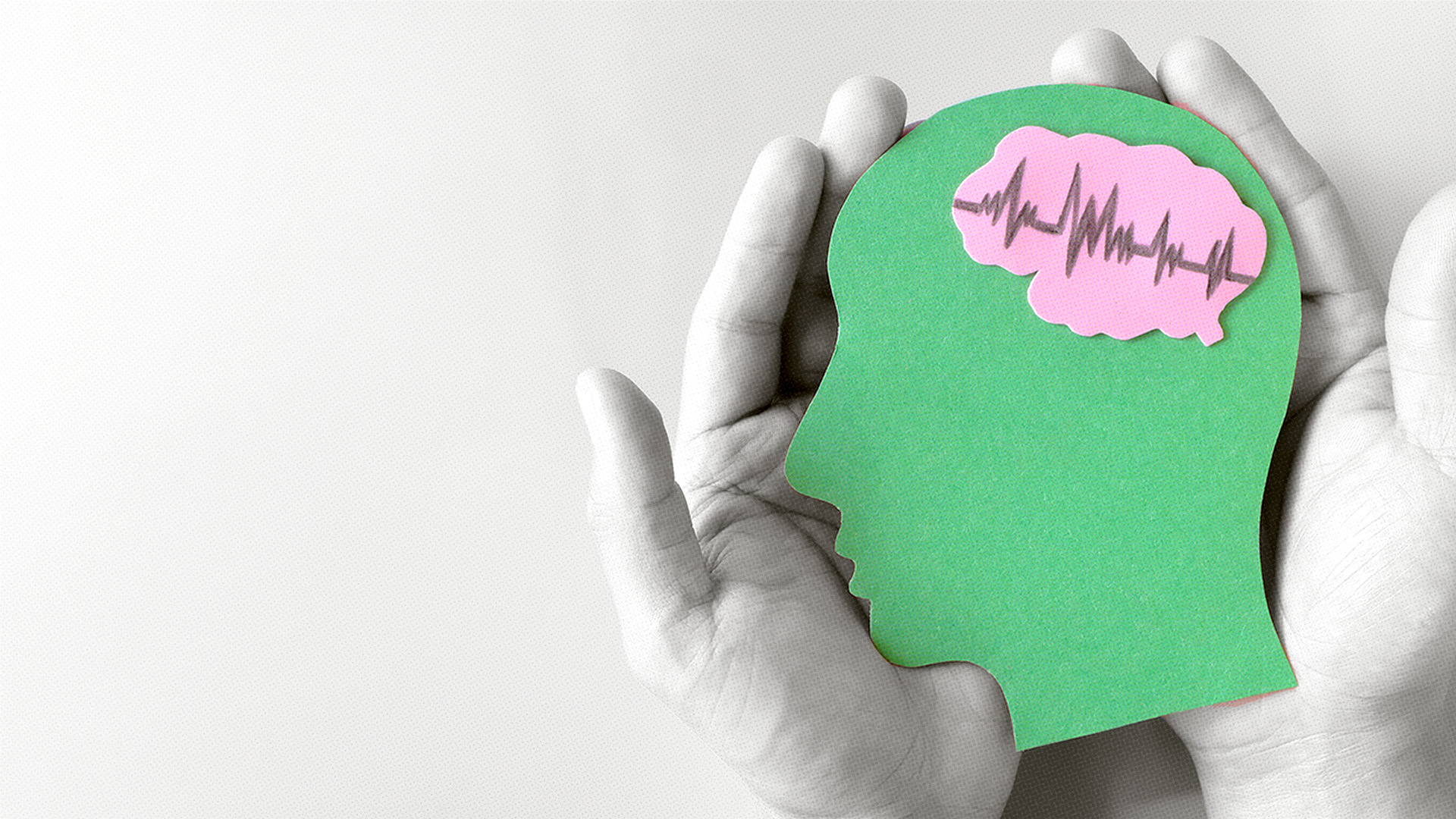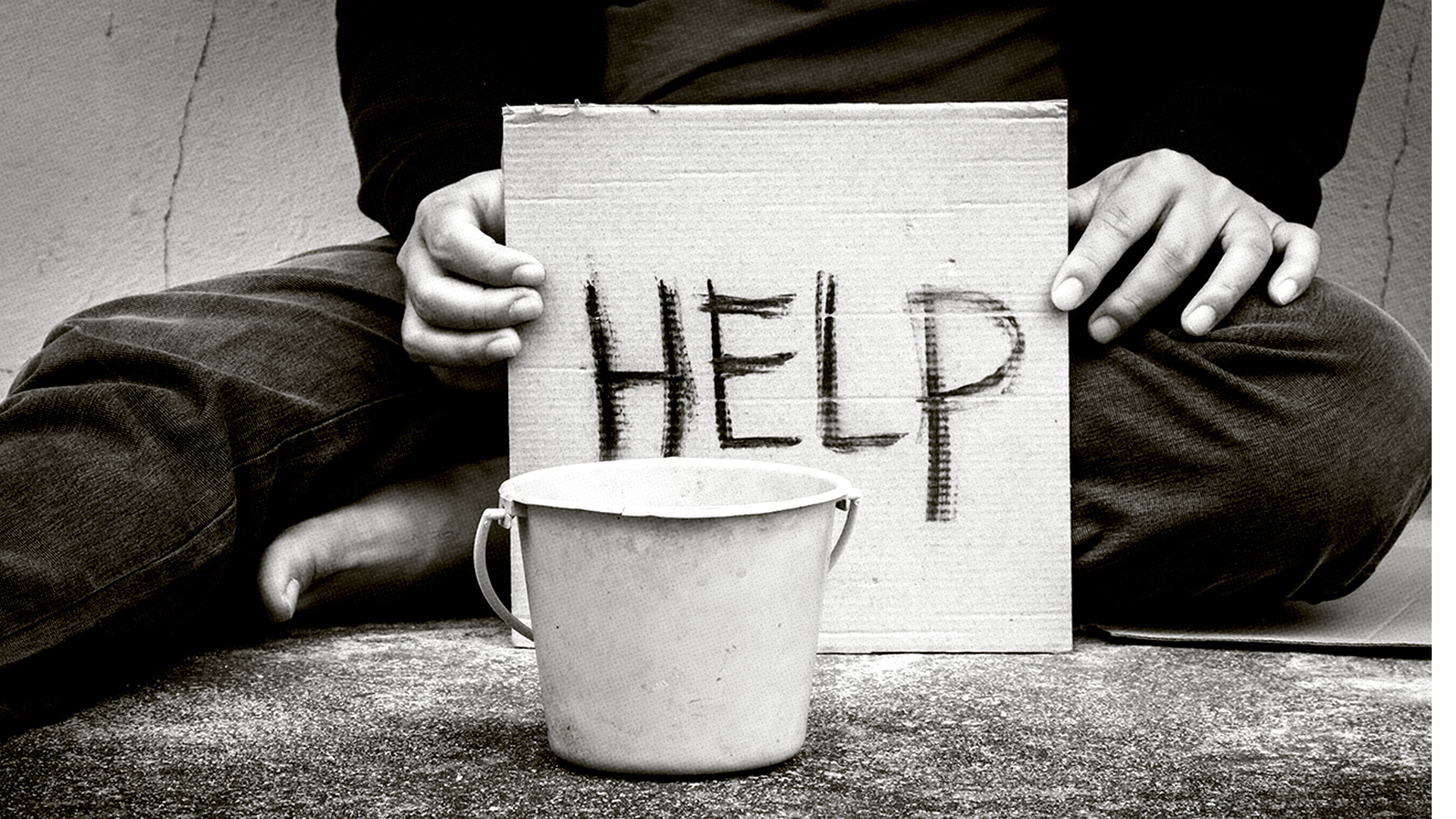


As someone who has spent years navigating the challenges of middle-class life, I’ve often felt the weight of financial stress. It’s not just about making ends meet; it’s the constant worry about unexpected expenses, the fear of falling behind, and the frustration of seeing others thrive while you struggle. Over time, this stress takes a toll, not just on our wallets but on our minds. The more I read about it, the clearer it becomes: income inequality isn’t just an economic issue; it’s a significant driver of mental health problems.
Across the world, the gap between the rich and the poor has been widening, creating societies where the top earners amass immense wealth while millions struggle to get by. This disparity isn’t just felt in our bank accounts; it reverberates through our communities, affecting how we perceive ourselves, our relationships, and our overall well-being. Let’s explore how income inequality impacts mental health and why addressing this issue is crucial for creating healthier, more resilient societies.
The Psychological Toll of Financial Stress
Income inequality exacerbates financial stress, a burden that can weigh heavily on mental health. For those living paycheck to paycheck, the anxiety of covering basic needs like rent, utilities, groceries, and healthcare is ever-present. It’s hard to feel mentally well when you’re constantly worrying about how you’ll make it through the month.
Research has shown that financial insecurity is linked to higher levels of anxiety and depression. When people don’t have a financial cushion to fall back on, they live in a state of heightened stress, worrying about unexpected expenses like medical emergencies or car repairs. Over time, this chronic stress can lead to burnout, emotional exhaustion, and even physical health problems, creating a vicious cycle that’s hard to break.
The middle class, often seen as the backbone of society, is increasingly feeling the squeeze. With the cost of living rising faster than wages, many find themselves struggling to maintain their standard of living. It’s disheartening to work hard, follow the rules, and still feel like you’re barely keeping your head above water. This ongoing financial strain can contribute to a sense of hopelessness and anxiety, especially when the wealthiest seem to live in a different world altogether.
Social Comparison and Self-Esteem
Income inequality also affects mental health through social comparison. In a society where wealth is often equated with success, it’s easy to fall into the trap of comparing yourself to others who are better off. Social media exacerbates this issue, as we’re constantly bombarded with images of luxury vacations, new cars, and designer clothes. For someone struggling financially, these images can trigger feelings of inadequacy, envy, and low self-esteem.
When the gap between the rich and the poor is wide, people may feel like they’re falling behind, even if their income is stable. The knowledge that others have access to better schools, healthcare, and opportunities can foster a sense of relative deprivation — the feeling that you’re worse off than those around you. This perception can lead to feelings of worthlessness, shame, and frustration, all of which are linked to poor mental health outcomes.
The psychological impact of social comparison can be particularly damaging for young people. Adolescents and young adults, who are still developing their sense of identity, may be especially vulnerable to the negative effects of comparing their lives to the seemingly perfect lives of wealthier peers. This constant comparison can lead to feelings of inadequacy, anxiety, and depression, potentially setting the stage for long-term mental health issues.
Community Disconnection and Social Fragmentation
Income inequality doesn’t just affect individuals; it affects entire communities. In societies with high levels of inequality, there tends to be greater social fragmentation and a breakdown of community bonds. People from different socioeconomic backgrounds may live in separate neighborhoods, attend different schools, and rarely interact with each other. This social divide can lead to a lack of understanding and empathy between different groups, fostering feelings of isolation and alienation.
Living in a society where the rich and poor are so starkly divided can create a sense of disconnection and mistrust. People may feel less inclined to engage with their community, participate in social activities, or form strong social networks, all of which are protective factors against mental health issues. When people feel disconnected from their community, they are more likely to experience loneliness, which has been linked to a range of mental health problems, including depression, anxiety, and increased risk of suicide.
The Stigma of Poverty and Its Mental Health Consequences
In a culture that often equates wealth with success and poverty with failure, the stigma of financial hardship can be deeply damaging to mental health. People who struggle financially may internalize societal messages that blame them for their circumstances, leading to feelings of shame and worthlessness. This stigma can prevent individuals from seeking help or support, further exacerbating their mental health issues.
The constant stress of trying to meet societal expectations while struggling financially can be overwhelming. For many, the experience of poverty is not just about a lack of money; it’s about the daily humiliation and judgment that comes with being unable to afford basic necessities. This sense of shame can lead to social withdrawal, making it harder for individuals to form meaningful connections and support networks that could help alleviate their mental health struggles.
Long-Term Impacts on Children and Families
Income inequality also has a profound impact on children and families. Growing up in a low-income household can expose children to chronic stress, which has been shown to affect brain development and increase the risk of mental health issues later in life. Children who experience economic hardship are more likely to face anxiety, depression, behavioral problems, and lower academic achievement.
Parents in low-income families often experience high levels of stress, anxiety, and depression due to financial pressures. This can affect their ability to provide emotional support and create a stable environment for their children. The stress of income inequality can create a ripple effect, impacting the mental health of the entire family and perpetuating a cycle of disadvantage.
Addressing the Mental Health Impact of Income Inequality
Addressing the mental health impact of income inequality requires systemic change. It’s not enough to simply encourage individuals to “be resilient” or “think positively.” We need to tackle the root causes of income inequality and create a more just and equitable society. Here are a few ways to start:
- Improving Access to Mental Health Services: Mental health services should be accessible and affordable for everyone, regardless of their income level. This means expanding public mental health programs, offering sliding scale fees, and increasing funding for community mental health centers. Access to therapy, counseling, and support groups can help mitigate the effects of financial stress and social isolation.
- Strengthening Social Safety Nets: Expanding social safety nets like unemployment benefits, affordable housing, and healthcare can help reduce the financial stress that contributes to poor mental health. By providing a safety net, we can help people meet their basic needs and reduce the chronic stress that exacerbates mental health issues.
- Promoting Economic Policies That Reduce Inequality: Addressing income inequality through policies like raising the minimum wage, implementing progressive taxation, and investing in education and job training can help create a more equitable society. Reducing the wealth gap can alleviate some of the social pressures and financial stressors that contribute to mental health problems.
- Fostering Community Connection: Encouraging community engagement and social cohesion can help counteract the isolation that often accompanies income inequality. Initiatives like community centers, local events, and programs that bring people from different backgrounds together can help build stronger social networks, reducing the risk of mental health issues.
Conclusion
The impact of income inequality on mental health is profound and far-reaching. As the gap between the rich and the poor continues to widen, the psychological toll on those who feel left behind is becoming increasingly evident. The stress, social comparison, isolation, and stigma associated with financial hardship contribute to a range of mental health issues, from anxiety and depression to increased risk of suicide.
Addressing this issue requires a collective effort to reduce income inequality and create a more inclusive, supportive society. By improving access to mental health care, strengthening social safety nets, and promoting policies that reduce inequality, we can help alleviate the mental health burden on those who are most affected. Only by tackling the root causes of income inequality can we hope to build a society where everyone has the opportunity to thrive, both economically and mentally.