

In cities across the globe, the struggle to find affordable housing has reached a tipping point. From San Francisco to London, Mumbai to Sydney, and Nairobi to Buenos Aires, the rising cost of housing is putting immense pressure on middle-class families, low-income earners, and young people trying to build their lives. For many, owning a home has become an unattainable dream, and even renting a decent place is a constant financial burden. The crisis of affordable housing is no longer confined to a few major urban centers; it has become a global issue, affecting millions of people and exacerbating inequality.
The question is: why has housing become so unaffordable, and what can be done to address this growing crisis? Let’s explore the causes, consequences, and potential solutions to the affordable housing dilemma facing the world today.
The Causes of the Affordable Housing Crisis
- Rising Demand and Limited Supply: One of the most significant factors driving the housing crisis is the imbalance between demand and supply. As urbanization accelerates, more people are moving to cities in search of better job opportunities, education, and amenities. This influx has increased the demand for housing, but supply has not kept pace. In many cities, there simply aren’t enough homes to accommodate the growing population, leading to increased competition for available units and driving up prices.
Strict zoning laws, building regulations, and a lack of available land for development have made it difficult to build new housing quickly enough to meet demand. In cities like New York and London, regulations and high land costs have slowed down construction, leaving the market unable to keep up with the needs of the population.
- Real Estate Speculation and Investment: The rise of real estate as an investment vehicle has also contributed to the housing crisis. For wealthy individuals and corporations, property has become a lucrative asset, often more attractive than traditional investments like stocks and bonds. In many cities, investors buy up properties not to live in them but to hold them as assets, driving up prices and reducing the availability of affordable housing for local residents.
Foreign investment in real estate has further fueled this trend, with wealthy buyers from abroad purchasing luxury apartments in cities like Vancouver, London, and Sydney. These properties often remain unoccupied, serving as a “safe” place to park money rather than providing homes for people. This phenomenon has contributed to skyrocketing property prices, making it even harder for local residents to afford housing.
- Stagnant Wages and Rising Costs: While the cost of housing has increased dramatically in recent decades, wages have not kept pace. In many countries, wage growth has stagnated, and the cost of living has risen, putting additional financial strain on households. As a result, a larger share of income is now required to cover housing costs, leaving less money for other essential expenses like healthcare, education, and transportation.
For example, in the United States, the median home price has increased by over 100% since the 1980s, while median wages have grown by only a fraction of that. This growing gap between housing costs and income has pushed homeownership out of reach for many and has made renting increasingly unaffordable.
- Inadequate Social Housing and Public Policy Failures: In many countries, the supply of social housing — affordable housing provided by the government or non-profit organizations — has not kept up with demand. Public policy decisions in recent decades have often prioritized market-driven solutions over public investment in housing, leading to a reduction in the construction of affordable units. The privatization of public housing stock, budget cuts to housing programs, and a focus on homeownership rather than rental support have left vulnerable populations without access to affordable options.
In the United Kingdom, for example, the sale of council housing through the “Right to Buy” program has significantly reduced the availability of public housing, contributing to the current shortage. Similarly, in the United States, federal funding for affordable housing programs has declined, leading to long waiting lists for public housing and housing vouchers.
The Consequences of the Affordable Housing Crisis
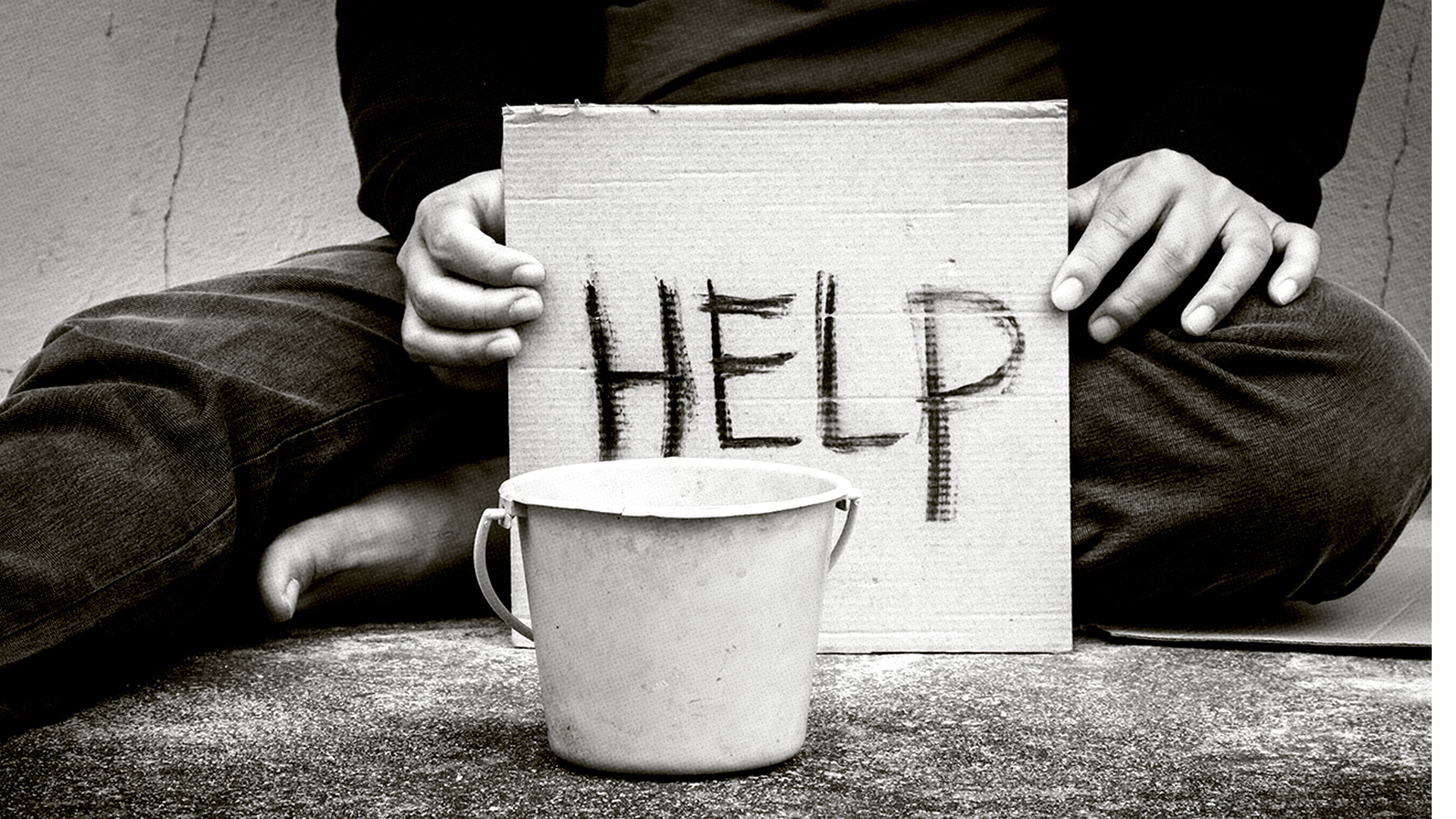
- Increased Homelessness: One of the most visible and devastating effects of the affordable housing crisis is the rise in homelessness. When people cannot afford to rent or buy homes, they are forced into unstable living situations, including couch surfing, living in temporary shelters, or sleeping on the streets. In cities like Los Angeles, San Francisco, and Vancouver, homelessness has reached crisis levels, with tent encampments becoming a common sight.
Homelessness is not just a social issue; it is also a public health crisis. People without stable housing are at greater risk of mental health problems, substance abuse, and chronic illnesses. The lack of affordable housing options perpetuates this cycle, making it difficult for individuals to regain stability and access the support they need.
- Economic Inequality and Social Unrest: The lack of affordable housing exacerbates economic inequality, as wealthier individuals and investors continue to profit from rising property values while low- and middle-income earners struggle to find stable, affordable places to live. This growing divide can lead to social unrest, as people become increasingly frustrated with a system that seems rigged against them.
Protests and demonstrations related to housing affordability have erupted in cities around the world, from Berlin to Hong Kong, as people demand action from their governments. The widespread discontent reflects a deeper frustration with the economic system and the feeling that basic needs like housing are out of reach for many.
- Negative Impact on Health and Well-Being: The stress of housing instability can have profound effects on mental and physical health. People who spend a large portion of their income on housing often have to cut back on other necessities, such as healthcare, nutritious food, and education. This can lead to a decline in overall well-being and exacerbate existing health issues.
Research has shown that housing insecurity is linked to higher rates of depression, anxiety, and chronic illnesses. Children growing up in unstable housing conditions are more likely to experience developmental delays, struggle academically, and face challenges in their social and emotional development.
Potential Solutions to the Affordable Housing Crisis
- Increased Investment in Social and Affordable Housing: Governments must play a more active role in addressing the housing crisis by investing in the construction of social and affordable housing. This could include building new public housing units, providing subsidies to low-income renters, and partnering with non-profit organizations to develop affordable housing projects.
Expanding the supply of affordable rental housing can help relieve pressure on the market, making it easier for families to find stable, long-term homes. Countries like Austria and Singapore have implemented successful public housing programs that provide affordable options for a significant portion of the population.
- Implementing Rent Control and Tenant Protections: Rent control policies can help limit the rate at which rents increase, providing greater stability for tenants. By capping rent hikes and implementing strong tenant protections, governments can prevent excessive rent increases that displace low- and middle-income families.
However, rent control is a contentious issue, with opponents arguing that it can discourage landlords from maintaining properties or investing in new housing. To address these concerns, rent control policies must be carefully designed to balance the needs of tenants and property owners while ensuring a sufficient supply of rental housing.
- Taxing Empty Properties and Curbing Real Estate Speculation: Implementing taxes on empty properties and speculative real estate investments can help reduce the number of vacant units and encourage the use of housing for its intended purpose — as homes for people. Cities like Vancouver and Paris have introduced taxes on empty homes to discourage investors from leaving properties vacant.
Additionally, governments can implement policies to curb speculative investments in real estate, such as higher taxes on luxury properties and foreign ownership restrictions. These measures can help cool the housing market and make it more accessible to local residents.
- Promoting Zoning Reform and Smart Urban Planning: Reforming zoning laws to allow for higher-density development, mixed-use housing, and more flexible land use can help increase the supply of affordable housing. By encouraging the construction of apartment buildings, co-living spaces, and affordable housing developments in urban areas, cities can better meet the demand for housing and reduce pressure on the market.
Smart urban planning that prioritizes affordable housing, access to public transportation, and green spaces can create more inclusive and sustainable communities where people of all income levels can thrive.
Conclusion
The crisis of affordable housing is a complex issue that requires a multi-faceted approach. It is a problem that affects millions of people worldwide, exacerbating inequality, reducing quality of life, and straining social cohesion. To address this crisis, governments, communities, and private sector stakeholders must work together to implement policies that increase the supply of affordable housing, protect tenants, and curb speculative investments.
Affordable housing is a fundamental human right, and solving this crisis is essential for creating more equitable and resilient societies. By taking bold action to address the root causes of the housing crisis, we can ensure that everyone has a safe, stable place to call home, regardless of their income.