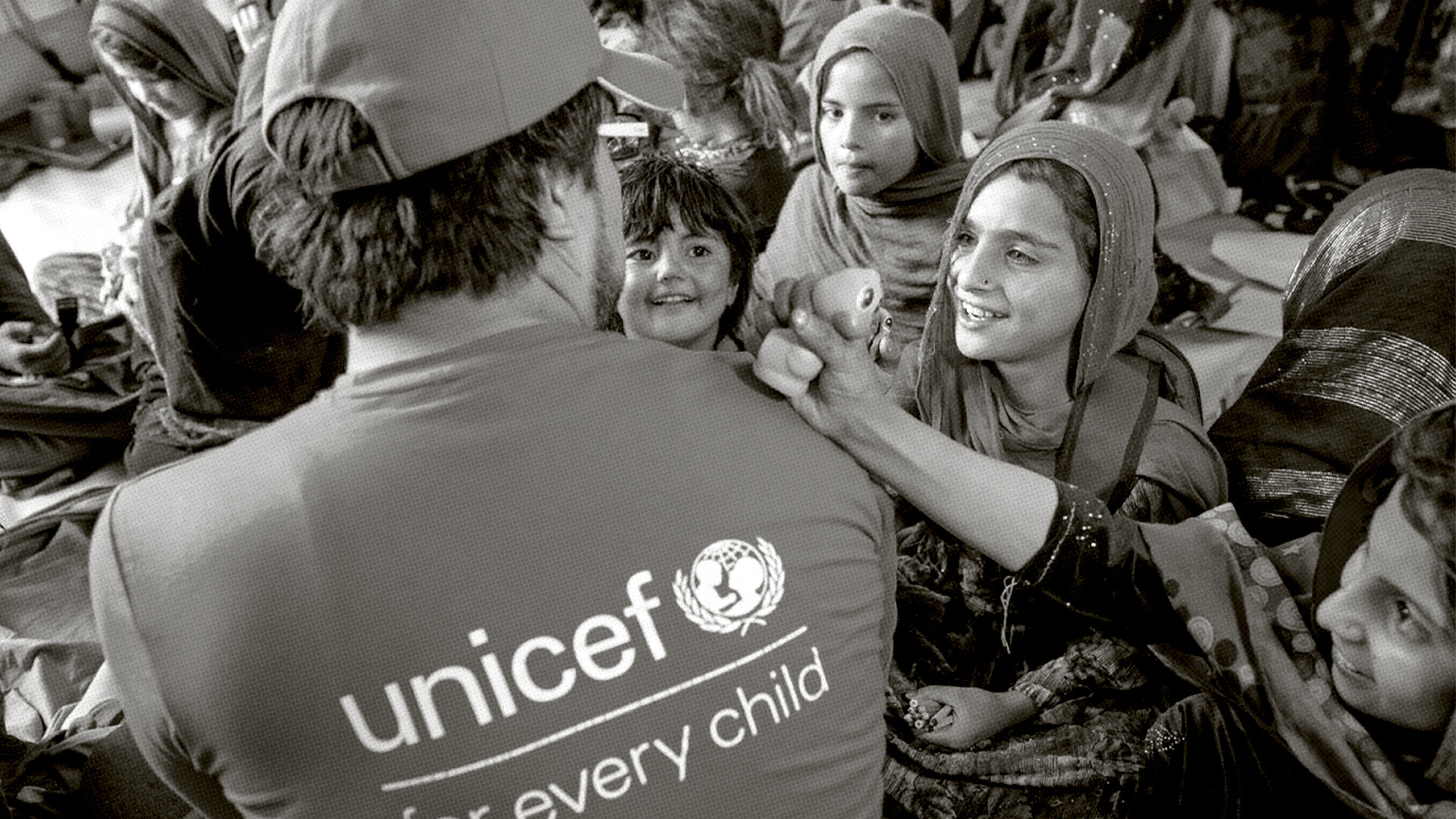


International aid has long been seen as a noble endeavor — wealthy nations and international organizations providing financial assistance, food, medical supplies, and development projects to poorer countries in need. From disaster relief in the aftermath of natural calamities to long-term development programs aimed at reducing poverty, the intention behind aid is to support vulnerable populations and help lift struggling nations out of poverty. However, despite decades of aid efforts, many recipient countries remain trapped in cycles of economic stagnation, political instability, and, ultimately, dependency.
Critics argue that while aid can provide temporary relief, it can also create long-term dependency, undermining local economies, stifling innovation, and preventing countries from developing sustainable solutions to their problems. As we examine the complex relationship between international aid and dependency, it is important to ask: Is aid helping or hindering long-term development?
The Good Intentions Behind International Aid
The primary goal of international aid is to alleviate suffering and promote development. Aid can be critical in times of crisis, providing immediate relief when natural disasters, conflicts, or pandemics strike. For example, humanitarian aid can deliver food, clean water, and medical supplies to communities affected by famine or war, saving lives in the short term.
Long-term development aid, on the other hand, aims to tackle systemic issues like poverty, education, healthcare, and infrastructure. Programs may include building schools, vaccinating children, improving access to clean water, and supporting agricultural projects. The underlying assumption is that by providing financial and technical assistance, wealthier nations can help poorer countries build the capacity needed for self-sustaining development.
However, while the intentions behind international aid are commendable, its implementation and long-term effects often paint a more complicated picture.
How Aid Can Perpetuate Dependency
- Undermining Local Economies: One of the unintended consequences of international aid is that it can undermine local economies. When foreign aid floods a market with free or heavily subsidized goods, it can make it difficult for local producers and businesses to compete. For example, when international organizations provide free food aid in response to a famine, it can drive down prices and hurt local farmers who rely on selling their produce to make a living. Over time, this can weaken local industries, reduce job opportunities, and create a dependency on foreign assistance.
This phenomenon is often seen in the agricultural sector. In countries that receive large quantities of food aid, local farmers may struggle to sell their crops at a fair price, leading to reduced income and lower agricultural productivity. As a result, rather than building a self-sufficient food system, the country becomes reliant on continuous food aid to meet its needs.
- Creating a Culture of Aid Dependency: In many cases, international aid can foster a culture of dependency, where governments and communities come to rely on external assistance rather than investing in their own solutions. When aid becomes a consistent and predictable source of funding, it can disincentivize local governments from implementing necessary reforms, raising domestic revenue, or building effective institutions.
For example, some governments may prioritize securing foreign aid over developing robust tax systems that could fund essential services like healthcare and education. This reliance on aid can create a cycle where recipient countries are dependent on external donors to meet their budgetary needs, reducing the incentive to pursue policies that would promote economic self-sufficiency.
The culture of dependency is not limited to governments; it can also affect local communities and organizations. NGOs and local initiatives that receive substantial foreign funding may struggle to sustain their operations if aid is reduced or withdrawn. This creates a situation where development projects are only viable as long as external donors continue to provide support, making it difficult for communities to take ownership of their development.
- Distorting Political Priorities and Governance: International aid can also distort political priorities and governance in recipient countries. When a significant portion of a country’s budget comes from foreign donors, the focus of its leaders may shift from serving the needs of their citizens to meeting the demands of international donors. This dynamic can undermine democratic accountability, as governments may be more concerned with pleasing foreign donors than addressing the needs of their own people.
In some cases, aid can inadvertently support corrupt or authoritarian regimes by providing them with additional resources that they can use to maintain power. For example, aid money intended for development projects may be siphoned off by corrupt officials, used to fund patronage networks, or diverted to prop up the ruling elite. This misuse of aid funds can entrench existing power structures and prevent meaningful political and economic reforms.
Furthermore, when aid programs are designed and implemented by foreign experts without adequate input from local communities, they may not align with the needs and priorities of the people they are intended to help. This top-down approach can lead to ineffective or unsustainable projects, as local stakeholders may feel little ownership or responsibility for their success.
The Problem of Tied Aid
Another issue that perpetuates dependency is the practice of tied aid, where donor countries require that aid be used to purchase goods and services from the donor country itself. Tied aid often benefits the donor country’s economy more than the recipient’s, as it directs funds back to the donor’s own businesses and industries. This reduces the effectiveness of aid, as recipient countries are unable to shop around for the best prices or source goods and services locally.
For example, a donor country might provide aid to build a hospital in a developing country but require that all the construction materials and equipment be purchased from suppliers in the donor country. This increases the cost of the project and limits the economic benefits for the recipient country, as local businesses are excluded from the procurement process.
Tied aid can also limit the flexibility of recipient countries to allocate resources based on their own needs and priorities. Instead of addressing pressing local issues, governments may be forced to implement projects that align with the donor’s interests, perpetuating a cycle of dependency and limiting the potential for sustainable development.
Rethinking International Aid: Toward Sustainable Solutions
Given the issues associated with aid dependency, it is essential to rethink the way international aid is designed and delivered. Here are a few strategies that could help make aid more effective and sustainable:
- Focusing on Capacity Building: Rather than simply providing financial assistance, aid programs should prioritize capacity building — helping countries develop the skills, institutions, and infrastructure needed to become self-sufficient. This could include investing in education and vocational training, supporting the development of local businesses, and strengthening governance and public administration.
By focusing on building local capacity, aid can help create the conditions for long-term development and reduce the need for ongoing external support.
- Supporting Local Solutions and Ownership: Aid programs are more likely to be successful and sustainable when they are designed in collaboration with local communities and stakeholders. Rather than imposing solutions from the outside, donors should work closely with local leaders, NGOs, and civil society organizations to identify priorities and develop programs that reflect the needs and preferences of the people they aim to help.
This approach promotes local ownership and accountability, making it more likely that development projects will be maintained and expanded after external funding ends.
- Unbundling Tied Aid and Promoting Transparency: Donor countries should move away from the practice of tied aid and allow recipient countries the flexibility to use aid funds in ways that best meet their needs. This could involve sourcing goods and services locally, supporting local industries, and reducing the costs associated with procurement.
Additionally, promoting transparency in aid delivery can help reduce corruption and ensure that funds are used effectively. This could include publishing detailed information about aid projects, monitoring outcomes, and involving local communities in oversight.
- Shifting Focus to Trade and Investment: While aid can provide short-term relief, long-term development requires robust economic growth. Donor countries can support this by promoting fair trade, encouraging investment in developing countries, and removing barriers to market access. By focusing on creating opportunities for trade and investment, donor countries can help build the foundation for sustainable economic growth and reduce the need for ongoing aid.
Conclusion
International aid has the potential to be a powerful tool for alleviating poverty and promoting development, but it can also create dependency if not implemented thoughtfully. The challenge lies in finding the right balance — providing immediate assistance to those in need while also fostering long-term, sustainable growth that reduces the need for external support.
To break the cycle of aid dependency, we must shift our focus from short-term relief to long-term capacity building, local empowerment, and sustainable economic development. By rethinking the way we design and deliver aid, we can help create the conditions for lasting change, allowing countries to chart their own paths to prosperity without relying on the generosity of others.