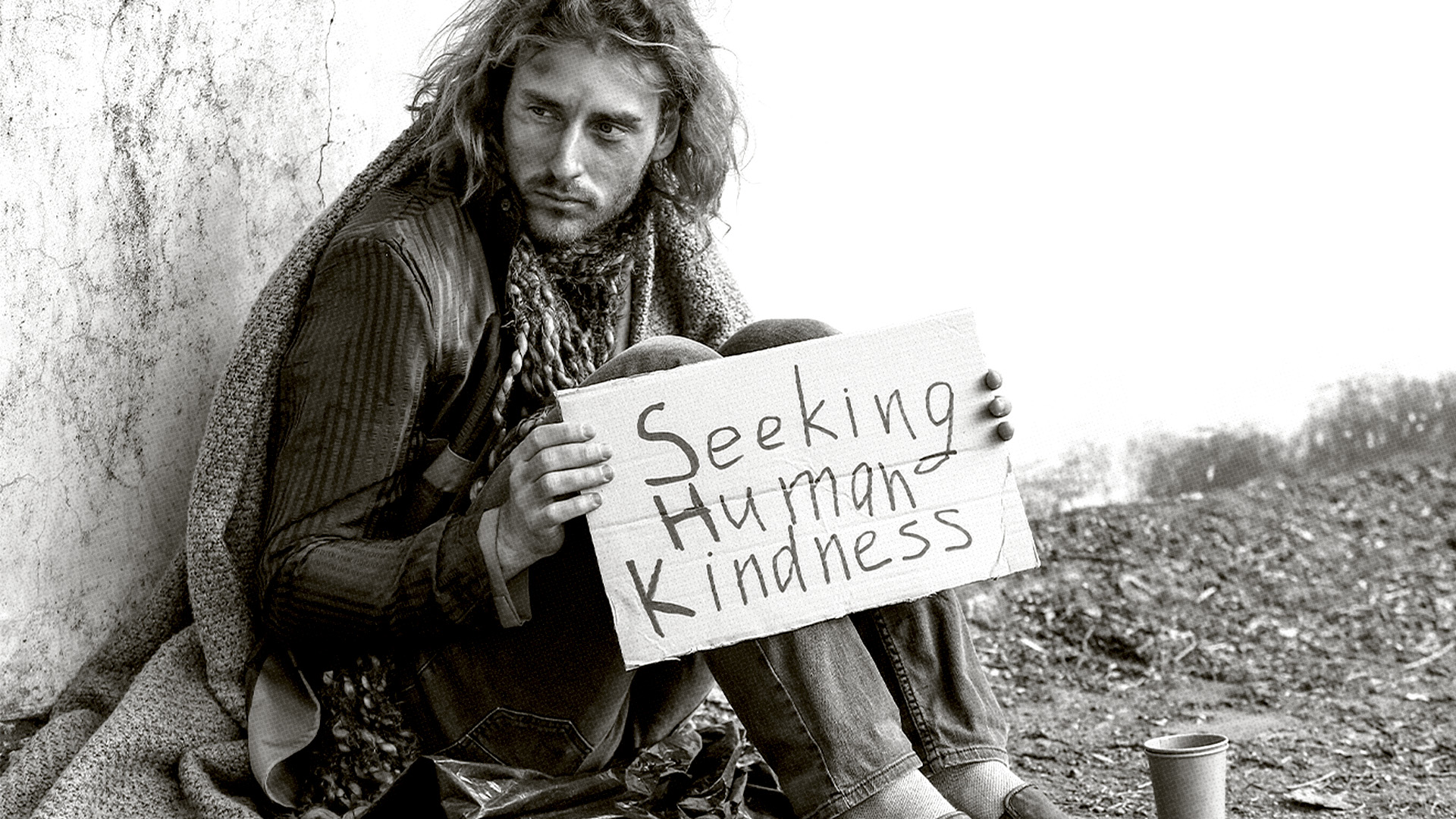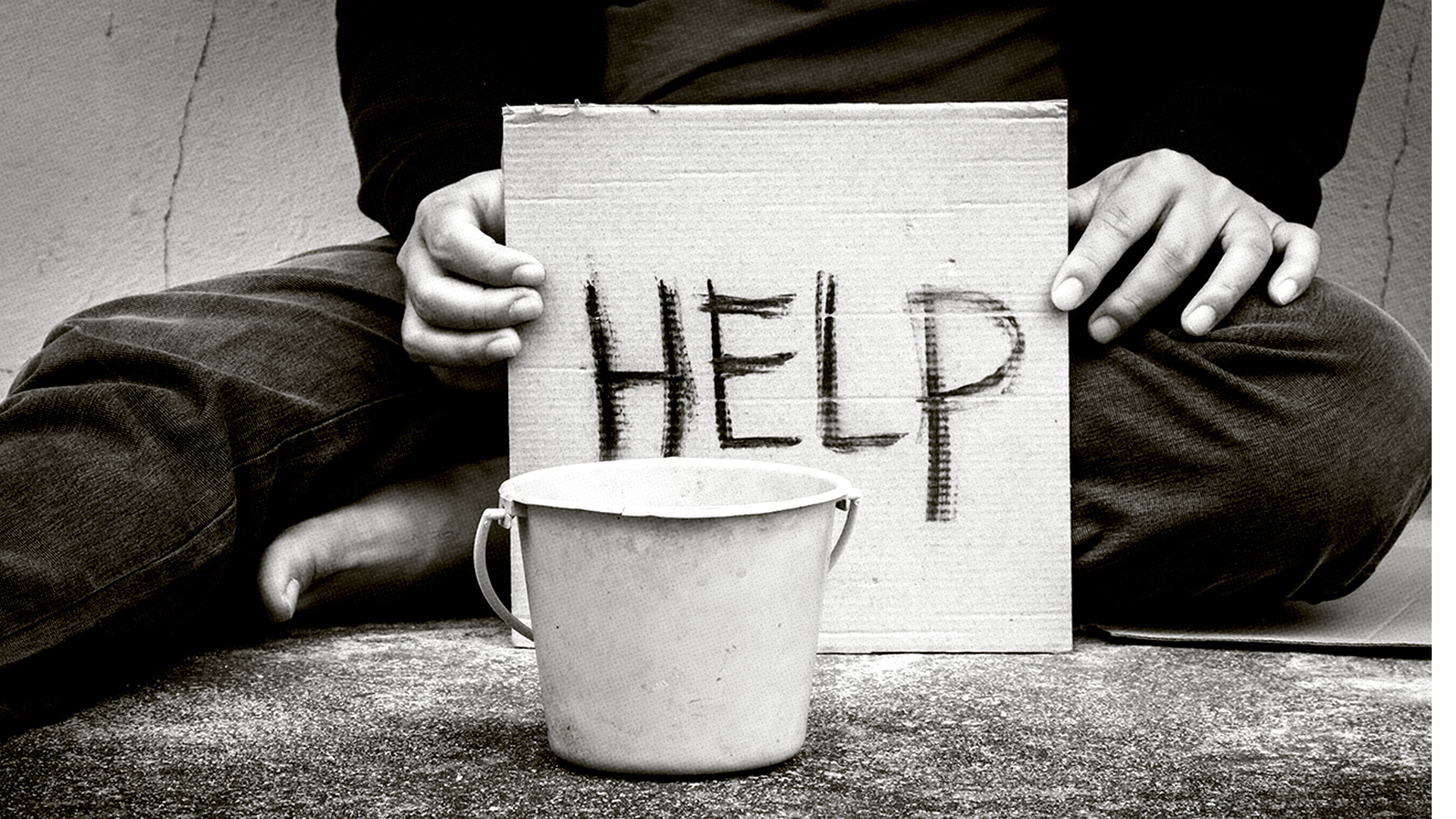


I once stood outside a grocery store where, on one side, a man filled a cart with supplies he barely thought twice about. On the other side, a mother counted coins just to buy a loaf of bread. It was a stark moment, showing two realities in the same place, side by side.
Now, that’s reality, however, it made me wonder: is the gap between rich and poor a sign of something seriously wrong with the system itself?
I recently wrote an article on “Why the Wealth Gap is Widening Faster Than Ever?” and I touched some critical perspective. I will be doing same here.
Why Are There Billionaires in the First Place?
The rise of billionaires has become more common in recent decades, and many of these fortunes are earned through businesses that touch every part of our lives. Some billionaires create popular tech platforms or global companies, while others make their money through investments.
But as more billionaires rise to the top, millions of others are left struggling just to get by. This gap raises a simple question: if our system is fair, how can so few have so much while so many have so little?
Billionaires don’t just come from nowhere. They’re often the product of economies where wealth, once it starts growing, can grow rapidly. Certain businesses — especially tech, finance, and real estate — allow money to multiply at a speed that’s out of reach for most people.
For example, if someone invests in stocks or owns a large company, their wealth can grow simply by the market rising or by cutting costs and increasing profits. Meanwhile, ordinary people working regular jobs don’t see that same kind of growth, even though they’re working just as hard.
How the System Favors Wealthy People
Many parts of our economic system benefit people who already have money. Tax breaks, low-interest loans, and other incentives often favor businesses and investors.
Billionaires can also use their wealth to pay for teams of lawyers and accountants who help them avoid taxes, sometimes through loopholes and offshore accounts. This allows them to keep more of their wealth, while regular people pay taxes straight from their paychecks.
For example, in some cases, billionaires pay a lower tax rate than their own employees, who pay taxes directly from their salaries. This difference in taxes means the wealthy keep accumulating wealth while others have to struggle to meet their daily needs. And when billionaires pay fewer taxes, it also means less money goes into public services like healthcare, education, and infrastructure that help society as a whole.
Does This Wealth Divide Cause Real Problems?
It’s not just about rich people being rich; the problem is what happens to the rest of society. When so much money is held by so few, it can limit opportunities for others. If wealth were more evenly spread, there would be more money going into communities, businesses, and local economies. But when the majority of wealth stays at the top, people on the lower end of the economic ladder have fewer chances to succeed.
In some areas, people struggle with basic needs like housing, healthcare, and education, while a small group can afford luxuries that most can’t even imagine. In cities, for example, rising property prices are driven up by investors and wealthy people buying up real estate, making it harder for regular families to afford a home.
Trust me, wealth inequality also affects mental health, as people face the stress of living paycheck to paycheck without financial security or access to help.
How Billionaires Influence Policies and Politics
One of the most concerning impacts of billionaires is their power in shaping laws and policies. With wealth comes influence, and many billionaires use their money to support politicians or lobby for policies that protect their interests.
We can say this isn’t necessarily illegal, but it does mean that the voices of the very wealthy often carry more weight in politics than the voices of everyday people.
For instance, billionaires can fund campaigns and lobbyists who work to protect favorable tax rates or oppose regulations that would limit their businesses. This influence can shape the policies that affect everyone, sometimes putting the interests of a few over the needs of the many. It’s hard to call this system fair when those with money have such a strong influence over decisions that affect everyone’s lives.
Are Billionaires Necessary for a Strong Economy?
Some argue that billionaires drive innovation, create jobs, and contribute to the economy. And in many cases, that’s true. Big companies can create products that improve lives and employ thousands of people. But the fact remains that these positive effects could still happen even without the extreme concentration of wealth.
For instance, large companies can still exist and create jobs without their founders or CEOs accumulating billions of dollars. In fact, some argue that a more balanced system would allow even more innovation and growth by spreading resources and opportunities more evenly.
Should We Be Concerned About the Existence of Billionaires?
It’s not about resenting rich people but about questioning a system that makes it so easy for a few to gain so much wealth while others are barely making it. The existence of billionaires may not be a direct cause of economic inequality, but it’s a symptom of an economic system that favors wealth accumulation over fairness and opportunity for everyone.
If we want a future where people can meet their needs and feel secure, we may need to rethink how our economy works. This could include reforms like fairer tax policies, better wages for regular workers, and laws that encourage wealth to circulate in the economy rather than be stored in the bank accounts of the very few.
My Humble Call for a Balanced System
The wealth gap is more than just a number; it’s a sign of deeper issues in our society. When billionaires can accumulate fortunes while others are denied basic needs, it tells us something is off balance. Perhaps the question we should ask isn’t just “Are billionaires bad?” but rather, “Is our system fair to everyone?”
The answer might be uncomfortable, but it’s a question worth asking if we want a society where everyone has a chance at a decent life. It’s not too late to make changes that ensure economic success isn’t limited to a few while everyone else struggles to keep up.