

In the digital age, the speed at which information travels has reached unprecedented levels. With just a click, stories can go viral, reaching millions of people within hours. However, there’s a dark side to this rapid dissemination: misinformation often spreads faster than the truth. Falsehoods and misleading content can capture attention and gain traction more effectively than accurate information. But why is this the case? And what are the consequences of misinformation spreading so quickly?
The Anatomy of Misinformation
Misinformation refers to false or misleading information shared without malicious intent, while disinformation is deliberately fabricated to deceive. Despite the differences, both forms of incorrect information can have serious implications. Misinformation can arise from misunderstandings, incorrect interpretations, or a simple lack of fact-checking. Disinformation, on the other hand, is often weaponized to achieve specific goals, such as influencing public opinion, sowing discord, or manipulating elections.
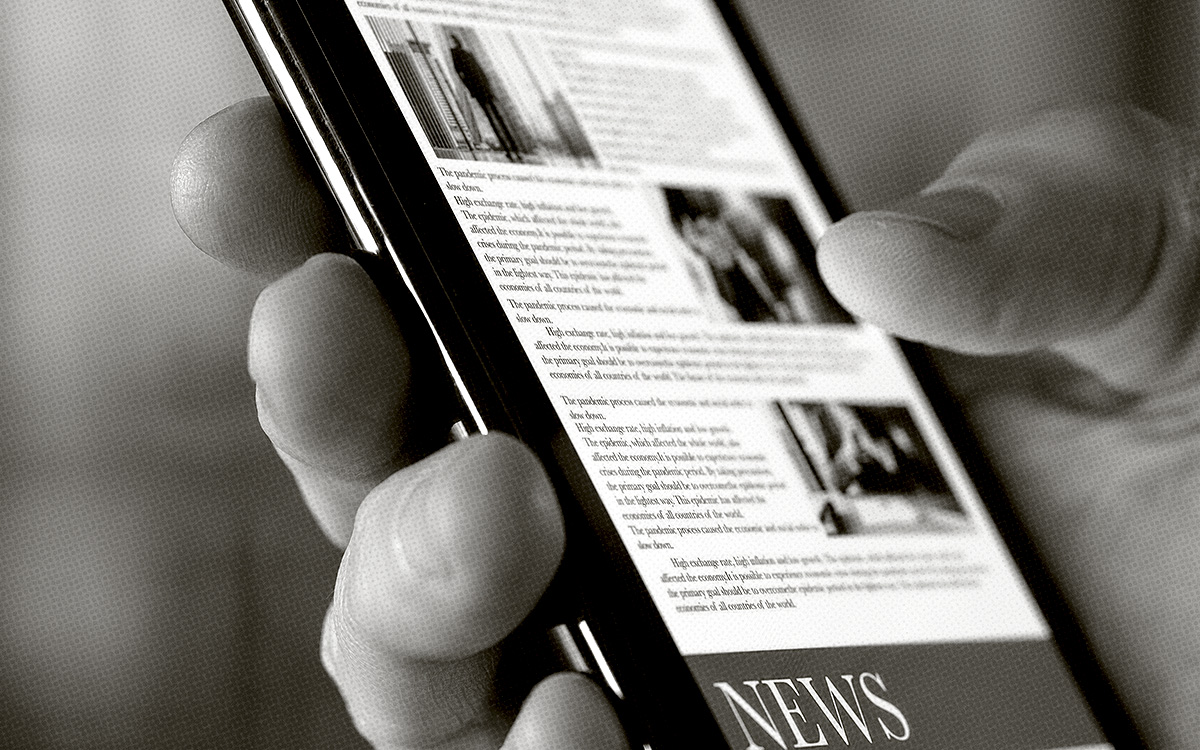
The internet, particularly social media platforms like Facebook, Twitter, and TikTok, serves as a breeding ground for misinformation. These platforms are designed to amplify content that engages users — and unfortunately, false information often proves more engaging than the truth.
Why False Information Spreads Faster
- Emotional Appeal: Misinformation often taps into strong emotions such as fear, anger, or surprise. Studies have shown that emotionally charged content is more likely to be shared because it elicits a visceral reaction. For example, sensationalist headlines, conspiracy theories, and fear-mongering posts generate strong emotional responses that make users more inclined to share them without verifying their accuracy.
- Confirmation Bias: People are more likely to believe and share information that aligns with their pre-existing beliefs or biases. This phenomenon, known as confirmation bias, plays a significant role in the spread of misinformation. When users encounter information that supports their views, they are less likely to question its validity and more likely to share it with others who share similar beliefs.
- Virality Over Veracity: Social media algorithms prioritize content that generates high engagement — likes, shares, comments — regardless of its accuracy. As a result, sensational or misleading posts that spark outrage or curiosity are more likely to be promoted by algorithms, spreading quickly across user feeds. Truthful information, which may be less dramatic or emotionally engaging, often gets buried under a deluge of viral falsehoods.
- Echo Chambers and Filter Bubbles: Social media creates echo chambers where users are exposed primarily to information that reinforces their existing beliefs. Algorithms curate content based on users’ past behavior, showing them more of what they are likely to engage with. This selective exposure leads to filter bubbles, where misinformation thrives because people are repeatedly exposed to false information without encountering conflicting viewpoints or fact-checks.
- The Speed of Sharing vs. Fact-Checking: It takes mere seconds to share a post, but verifying its authenticity requires time and effort. Misinformation can spread like wildfire in the time it takes for fact-checkers to debunk it. By the time accurate information is published, the falsehood may have already reached millions of people, making it difficult to correct the narrative.
The Consequences of Misinformation
The rapid spread of misinformation can have serious real-world consequences. It can influence public opinion, sway election results, and even endanger lives. For instance, during the COVID-19 pandemic, false information about cures and prevention methods spread widely, leading to confusion and, in some cases, harmful practices. Similarly, misinformation about vaccines has fueled vaccine hesitancy, contributing to the resurgence of preventable diseases.
Misinformation also undermines trust in institutions. When people are constantly exposed to conflicting or false information, they may become skeptical of all sources, including reputable news outlets and experts. This erosion of trust can lead to increased polarization, making it harder to reach consensus on critical issues.
Combating the Spread of Misinformation
Addressing the rapid spread of misinformation requires a multi-faceted approach:
- Improving Media Literacy: Educating the public on how to critically evaluate information is key to combating misinformation. Media literacy programs can teach people to recognize unreliable sources, check the credibility of claims, and think critically before sharing content.
- Algorithmic Changes: Social media companies need to adjust their algorithms to prioritize accurate information over sensational content. While this is a complex challenge, platforms can take steps to flag potential misinformation, reduce its visibility, and promote fact-checked content.
- Fact-Checking Initiatives: Fact-checking organizations play a crucial role in debunking false information. However, their efforts must be timely and reach a broad audience. Collaborations between social media platforms and fact-checkers can help ensure that corrections are disseminated quickly and effectively.
- Regulation and Policy: Governments and regulatory bodies can implement policies to hold social media platforms accountable for the spread of misinformation. This may include imposing fines for failing to address false information or requiring transparency about how content is promoted and moderated.
- Personal Responsibility: While structural changes are important, individuals also have a role to play in curbing the spread of misinformation. Taking a moment to verify the accuracy of information before sharing it can help reduce the spread of falsehoods. Being aware of biases and questioning emotionally charged content can also help individuals avoid falling into the trap of sharing misinformation.
Conclusion
The internet has revolutionized the way we share and access information, but it has also created an environment where misinformation can thrive. The factors that drive the rapid spread of false information — emotional appeal, confirmation bias, and the viral nature of social media — make it a persistent problem. However, by improving media literacy, making algorithmic changes, and fostering personal responsibility, we can take steps to slow the spread of misinformation and promote a more informed and truthful online discourse.
Misinformation is not just a problem for social media companies or fact-checkers to solve; it is a collective challenge that requires action from all of us. By critically evaluating the content we consume and share, we can help ensure that truth prevails over falsehoods in the digital age.