

I still remember sitting in my living room, eyes glued to the television as a breaking news alert flashed across the screen. Images of chaos, violence, and fear played out right in front of me.
It felt real—like I was there. My heart raced, and I could feel my mind absorbing every word the anchor said, every image they showed. But later, when I heard other people’s stories and checked facts myself, I realized that what I saw was only a part of the whole picture.
That’s when I understood the incredible power media has over how we see and feel about the world.
The Influence of Media in Real-Time
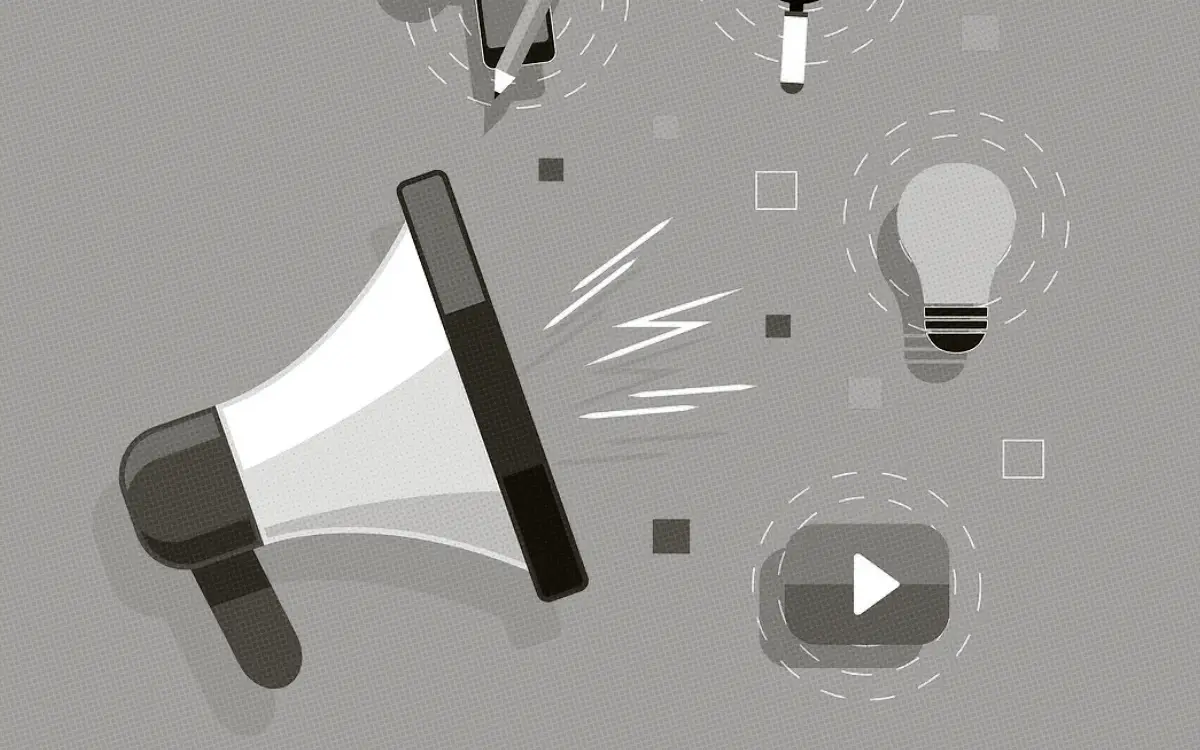
See, most of us rely on media to understand what’s happening beyond our own experiences. News channels, social media, newspapers—they’re all windows into the world. But often, we forget that they don’t just open up a window; they also choose which scenes to show us and how to frame them.
When I watched that news story, the broadcaster chose certain words and images to create a sense of urgency and fear. It felt very real, but it wasn’t the entire truth.
Selective Information Shapes Our Beliefs
Media outlets decide what to show us and what to leave out, influencing how we feel about events or people. For example, when I read about global conflicts, certain countries or groups are sometimes painted as aggressors, while others seem portrayed as victims.
But digging deeper reveals that both sides have complex motivations and histories. Yet, what most people see is what’s shown to them first and loudest. And without all the facts, we form opinions based on what little we know.
Impact of Social Media: Speed Over Accuracy
Social media is even faster. In seconds, news—whether verified or not—spreads around the world. I’ve seen friends, family, and even strangers online getting swept up by videos or posts that turn out to be misleading.
There’s something powerful about seeing thousands of people react, share, and discuss the same issue at once. It feels like we’re all experiencing it together. But in this rush, accuracy sometimes gets lost. When misinformation goes viral, the damage is often done long before the truth comes out.
Personal Stories Are Altered by Popular Narratives
Sometimes, I hear personal stories that don’t make it to the headlines, like stories from people who lived through a crisis differently than how it was portrayed on the news.
These stories often reveal more nuanced, complex situations. But popular narratives tend to simplify or dramatize events to keep people engaged. The result? We end up with skewed perceptions of issues that deserve more understanding.
The Challenge of Staying Neutral
Journalists, news anchors, and even influencers are people with their own beliefs and perspectives. Although they try to report objectively, their personal biases can subtly shape how they present a story.
Even the choice of words—like calling someone a “freedom fighter” versus “rebel”—changes how we feel about them. It’s hard to stay neutral when human emotions are involved, but as consumers, we need to remember that what we see might be only one piece of the puzzle.
So, How Can We Stay Informed?
For a long time, I believed everything I saw and read. Now, I try to get my information from different sources, comparing viewpoints before drawing any conclusions.
I check facts from reliable sources and listen to people who have firsthand experiences. This helps me see a broader perspective, making me aware of the biases that can slip into any story.
One of the platform I use most is “X”, formerly Twitter. As of writing this, X is ranking as the number one source of true news.
Here’s My Conclusion
The media has an enormous role in shaping what we think, feel, and believe. By choosing what to show and how to show it, they influence how we see the world.
So, I believe it’s important for us as individuals to stay curious, ask questions, and seek different perspectives. Only then can we try to understand the world more clearly and not just through someone else’s lens.