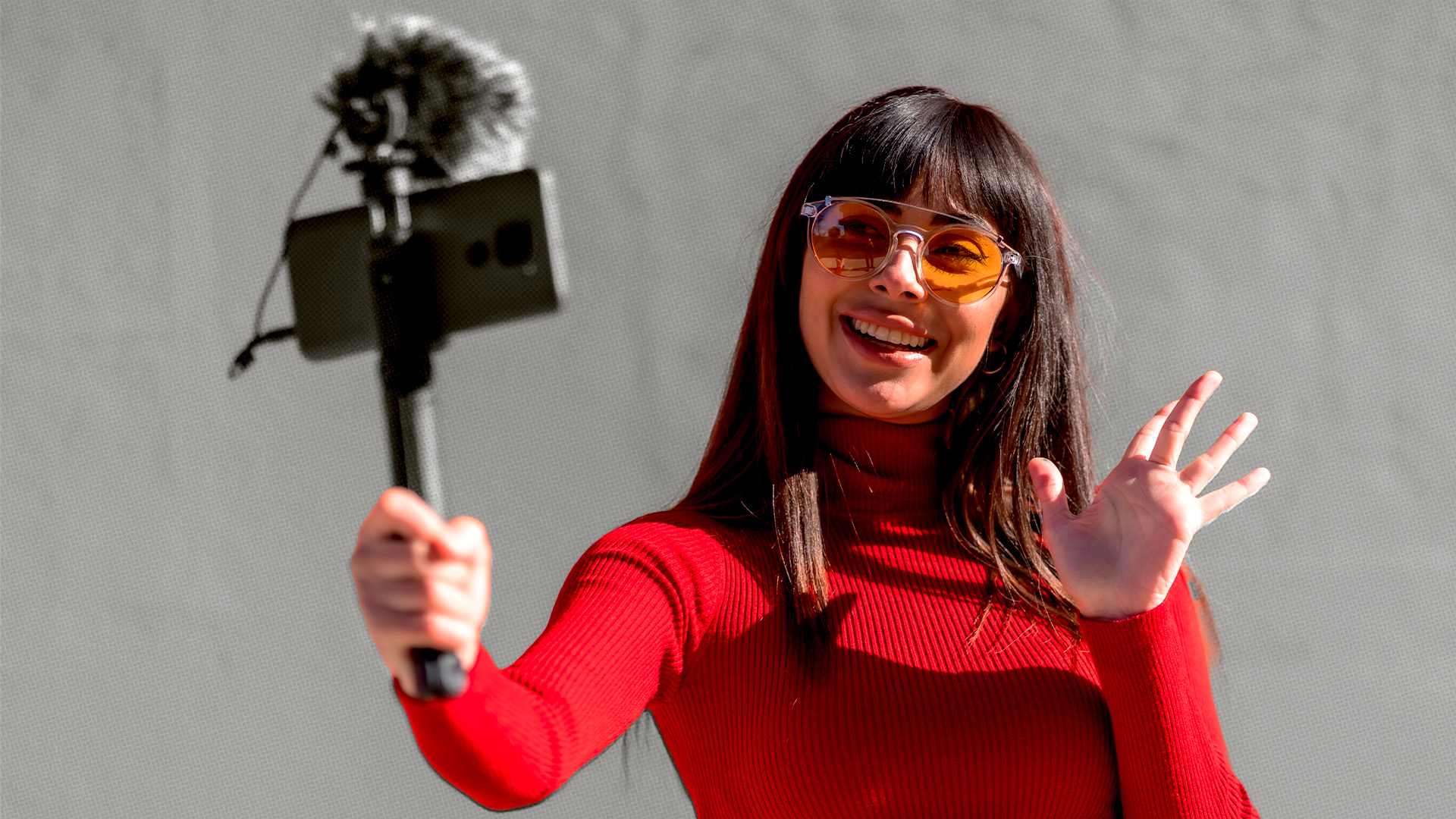


Scrolling through Instagram or TikTok, it’s hard to escape the polished images and perfectly curated lives of influencers. From the latest fashion trends to the hottest new skincare products, influencers seem to have it all — and they’re more than willing to share it with their followers. But behind the aesthetically pleasing posts and engaging videos lies a powerful marketing machine designed to influence our purchasing decisions.
The rise of influencer culture has fundamentally changed the way we consume, blurring the lines between genuine recommendations and paid promotions. While influencers often present themselves as relatable and trustworthy, many are paid handsomely to endorse products, shaping our desires and spending habits in subtle yet significant ways. This begs the question: Are we being manipulated to consume more?
The Power of Social Proof
One of the reasons influencer marketing is so effective is its reliance on social proof — the psychological phenomenon where people look to others to determine their own behavior. When we see someone we admire using a product, we are more likely to trust that product and consider buying it ourselves. Influencers, who often build their brand on relatability and authenticity, act as social proof for their followers, making them powerful drivers of consumer behavior.
Unlike traditional celebrities, influencers are perceived as more accessible and down-to-earth. They often share glimpses of their everyday lives, fostering a sense of intimacy and trust with their audience. When an influencer recommends a product, it can feel like a suggestion from a friend, even if it’s actually a paid advertisement. This trust makes followers more likely to act on these recommendations without the skepticism they might have towards conventional ads.
The Blurred Line Between Authenticity and Advertising
Influencer culture thrives on the idea of authenticity — the belief that influencers are genuine in their recommendations and only promote products they truly love. However, as the industry has grown, this line between authenticity and advertising has become increasingly blurred. Influencers are often paid thousands, if not millions, to promote products on their platforms, and these endorsements can sometimes be indistinguishable from their regular content.
The issue is not that influencers are paid to promote products — this is a legitimate business model. The problem lies in the lack of transparency. When followers are not fully aware that a recommendation is sponsored, it can feel like a personal endorsement rather than a paid ad. This lack of disclosure manipulates the consumer’s perception, making it seem like a genuine, unbiased recommendation rather than a strategic marketing tactic.
In response, many countries have implemented regulations requiring influencers to disclose sponsored content with tags like #ad or #sponsored. However, enforcement is inconsistent, and disclosures are often buried in a sea of hashtags, making it difficult for followers to discern which posts are paid promotions.
The Culture of Endless Consumption
Influencer culture has created a cycle of endless consumption, where followers are constantly encouraged to buy the latest products to emulate the lifestyles they see online. Influencers often showcase luxury items, trendy clothing, and expensive gadgets, framing them as “must-haves” for their followers. The message is clear: if you want to be like me, you need to buy this product.
This cycle of consumption is driven by the fear of missing out (FOMO). Influencers frequently use limited-time offers, discount codes, and exclusive collaborations to create a sense of urgency, making followers feel like they need to make a purchase before it’s too late. This strategy taps into our anxiety about missing out on popular trends, pushing us to buy products we might not actually need.
For young people, in particular, the pressure to keep up with influencer-driven trends can be overwhelming. Teenagers and young adults, who are still forming their identities, may feel a strong desire to fit in and be seen as trendy or cool. Influencers play into this desire, promoting a consumerist mindset where self-worth is tied to the things you own.
The Impact on Mental Health and Well-Being
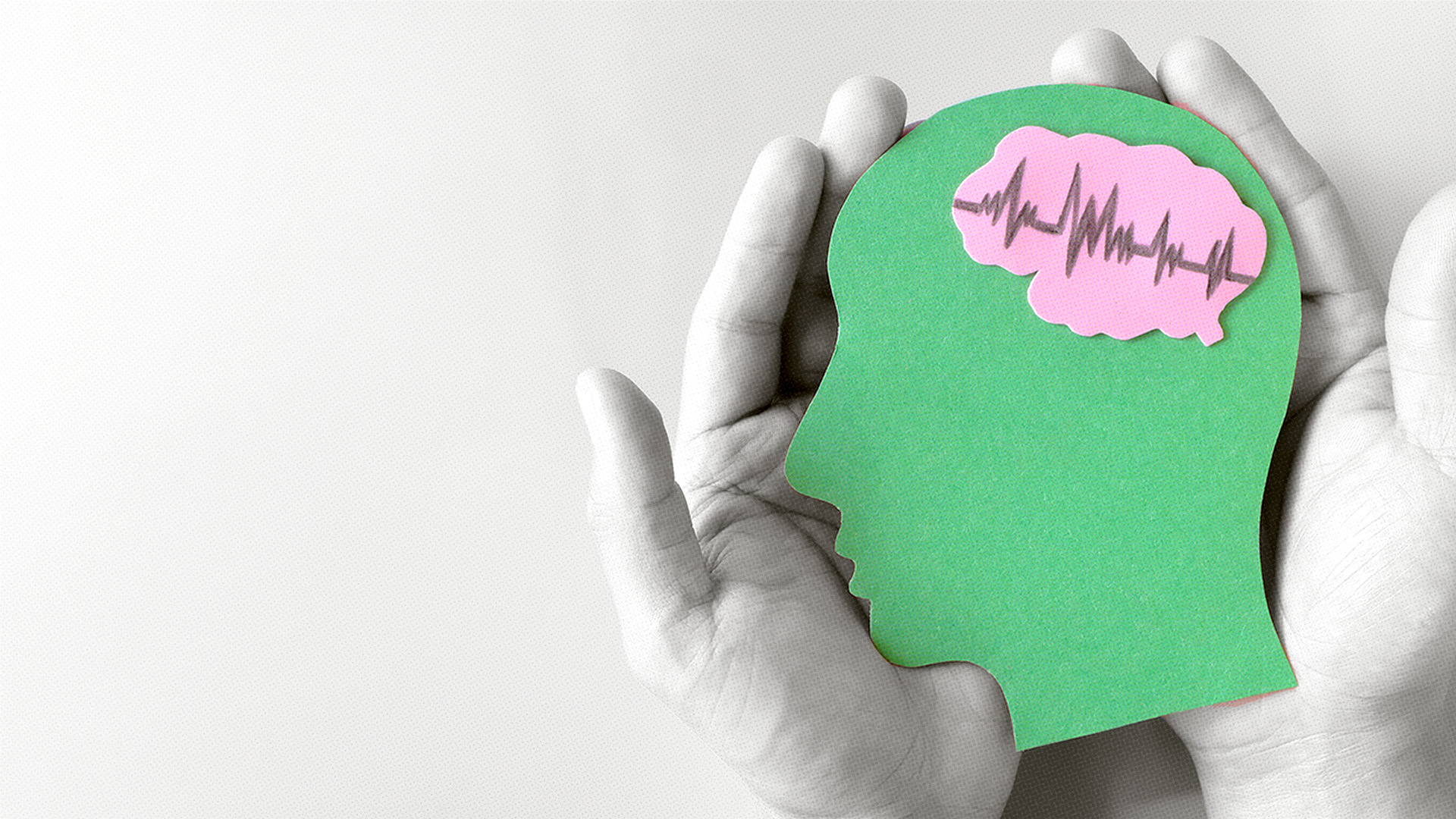
The constant exposure to influencer content can have a significant impact on our mental health and well-being. When we see influencers living seemingly perfect lives, it’s easy to compare ourselves and feel inadequate. We might wonder why our skin doesn’t look as flawless, why we can’t afford luxury vacations, or why our daily lives seem mundane in comparison.
This cycle of comparison can lead to feelings of envy, inadequacy, and low self-esteem. Influencers often use filters, photo editing, and carefully staged setups to present an idealized version of their lives, making it difficult for followers to distinguish between what’s real and what’s curated. The pressure to keep up with these unrealistic standards can drive people to spend money on products they believe will help them achieve the same level of perfection, fueling the cycle of consumption.
In addition to the financial strain, the constant bombardment of advertising can also lead to decision fatigue and stress. With influencers promoting new products every day, it’s easy to feel overwhelmed by the sheer volume of choices. This can make it difficult to make mindful, intentional purchases, leading to impulse buying and buyer’s remorse.
The Ethical Dilemma of Influencer Marketing
The rise of influencer culture also raises important ethical questions about the responsibility of influencers and the brands that work with them. Should influencers be more transparent about their partnerships? Do they have a duty to promote products that are genuinely beneficial, rather than just profitable? And how can followers protect themselves from being manipulated by influencer marketing tactics?
Many influencers claim that they only promote products they genuinely use and believe in, but the financial incentives can be hard to ignore. With lucrative sponsorship deals on the line, some influencers may prioritize profit over honesty, endorsing products that they don’t actually use or that may not be as effective as they claim.
Moreover, the products promoted by influencers are often tied to fast fashion, beauty standards, and materialism, reinforcing a culture of overconsumption that is harmful to both individuals and the environment. The constant push for new products fuels demand for fast fashion and disposable goods, contributing to environmental degradation and waste.
How to Navigate Influencer Culture as a Conscious Consumer
Given the powerful influence that social media and influencers have on our buying habits, it’s important to approach this content with a critical eye. Here are a few ways to navigate influencer culture as a conscious consumer:
- Question the Authenticity: If a product is being heavily promoted by multiple influencers, it’s worth questioning whether their endorsements are genuinely based on personal use or if they are part of a larger paid campaign. Look for disclosure tags like #ad or #sponsored, and be wary of content that seems overly scripted or promotional.
- Do Your Own Research: Before buying a product recommended by an influencer, take the time to do your own research. Read reviews from multiple sources, compare prices, and consider whether you actually need the product. This can help you make more informed decisions and avoid impulse purchases.
- Prioritize Mindful Consumption: Rather than getting caught up in the hype of influencer-driven trends, focus on mindful consumption. Consider the environmental impact of your purchases, and think about whether the product aligns with your values and needs. This approach can help you make more intentional choices and reduce unnecessary spending.
- Follow Diverse Voices: Diversify your social media feed by following a range of voices, including those who promote sustainable living, minimalism, and ethical consumerism. This can provide a healthier balance and expose you to content that isn’t solely focused on selling products.
Conclusion
Influencer culture has become a powerful force in shaping consumer behavior, often blurring the lines between genuine recommendations and paid advertising. While influencers have the potential to inspire and inform, their content is also carefully curated to drive consumption, often at the expense of transparency and authenticity.
As consumers, it’s important to be aware of the subtle tactics used by influencers and the psychological impact of constantly being exposed to idealized images and material desires. By approaching influencer content with a critical mindset and prioritizing mindful consumption, we can make more intentional choices and resist the pressure to buy into a culture of endless consumerism. Ultimately, the key to navigating influencer culture is to focus on our own values and needs, rather than being swayed by the glossy images and persuasive endorsements we see online.