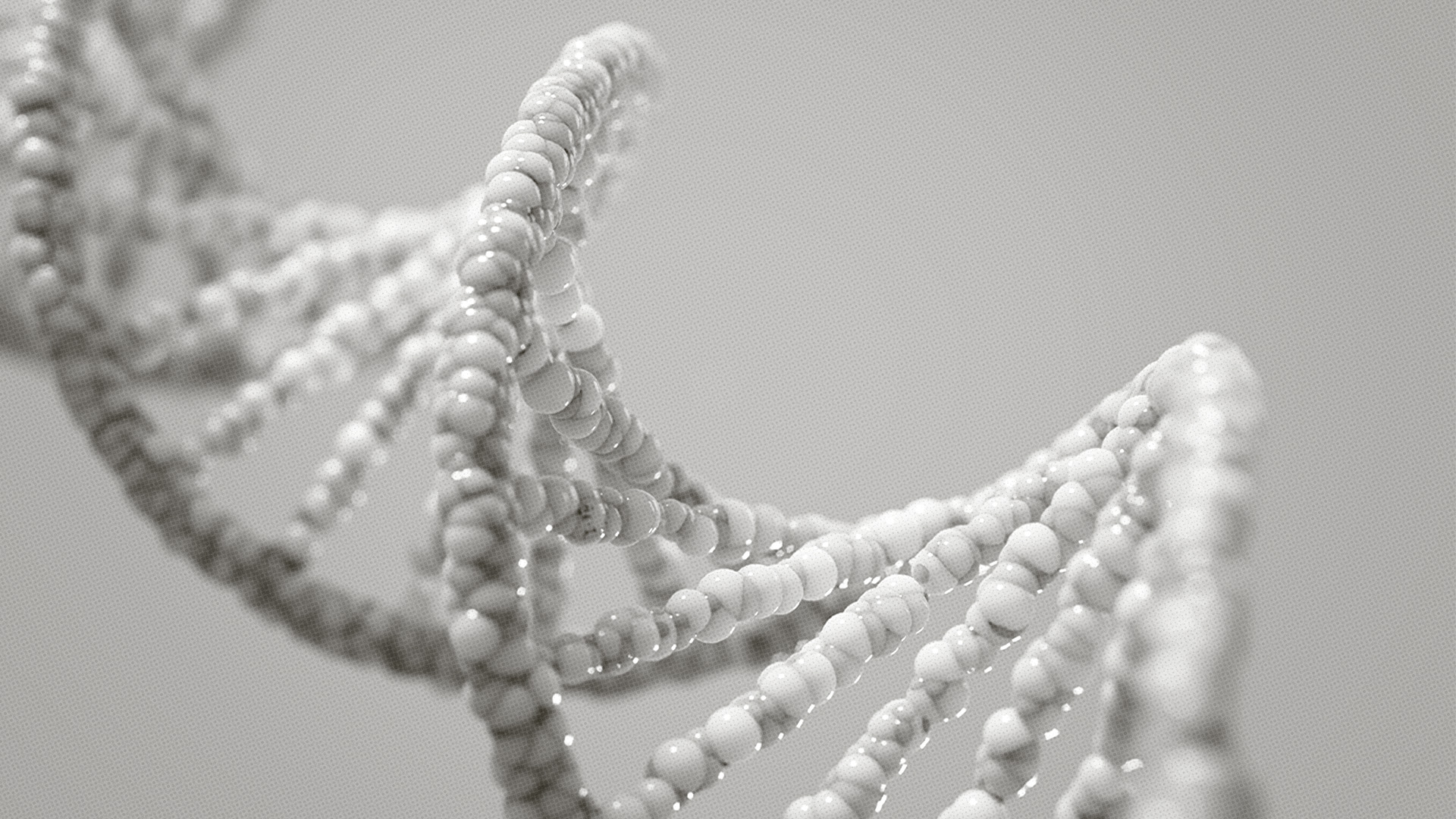


Imagine a future where parents can choose their child’s eye color, height, intelligence, and even resistance to certain diseases. The once-fictional concept of “designer babies” is no longer confined to science fiction. Advances in genetic engineering, particularly through technologies like CRISPR-Cas9, have brought us closer than ever to the possibility of editing the human genome. While these breakthroughs hold incredible potential for eliminating genetic diseases and improving human health, they also raise profound ethical questions. Should we be tampering with the building blocks of life? What are the risks and consequences of altering human DNA?
As we stand on the brink of a new era in genetic science, it’s crucial to examine the ethical implications of genetic engineering in humans, weighing the potential benefits against the possible dangers.
The Potential Benefits of Genetic Engineering
The appeal of genetic engineering lies primarily in its potential to prevent and treat genetic disorders. By editing genes, scientists could potentially eliminate inherited diseases like cystic fibrosis, sickle cell anemia, Huntington’s disease, and certain types of cancer. The ability to correct faulty genes before birth could save countless lives, reduce suffering, and improve the quality of life for millions of people.
Genetic engineering could also lead to breakthroughs in enhancing human capabilities. Beyond eliminating diseases, it might be possible to enhance physical and cognitive traits, such as increased muscle strength, improved memory, or greater resistance to infections. This prospect has sparked interest in “human enhancement,” where genetic modifications could be used not just for health reasons but to improve certain desirable traits.
The Ethical Dilemmas
Despite its potential benefits, genetic engineering in humans presents several complex ethical dilemmas that society must grapple with:
- Playing God: The Moral Boundaries: One of the most common ethical objections to genetic engineering is the idea that it involves “playing God” by altering the fundamental aspects of human life. Critics argue that manipulating human genes crosses a moral boundary, as it involves making changes to the natural order that could have unforeseen consequences. The fear is that, in our pursuit of perfection, we may inadvertently disrupt the delicate balance of life, creating new genetic problems or unintended side effects.
For many people, the concept of altering the human genome raises deep philosophical and religious questions about the sanctity of human life and the limits of human intervention. Should we have the right to make permanent changes to the human genome, changes that could be passed down to future generations without their consent?
- The Risk of Unintended Consequences: The science of genetic engineering, particularly at the germline level (altering the DNA in eggs, sperm, or embryos), is still in its infancy. While technologies like CRISPR have shown promise, they are not without risks. Off-target effects, where unintended parts of the genome are edited, could lead to unexpected mutations or new genetic disorders. The consequences of such errors could be disastrous, not only for the individual affected but for their descendants as well, as these changes would be passed on to future generations.
The potential for unintended consequences raises serious ethical concerns about safety and responsibility. How can we justify making irreversible changes to the human genome when we cannot fully predict or control the outcomes?
- Equity and Access: The Risk of Genetic Inequality: Another significant ethical issue is the potential for genetic engineering to exacerbate social inequalities. If genetic modifications become available, they are likely to be expensive, at least initially. This could lead to a scenario where only the wealthy can afford to enhance their children’s genes, creating a new form of inequality — genetic inequality. The gap between the genetically enhanced and the unenhanced could create a new social divide, where those with access to genetic modifications have significant advantages over those without.
This “genetic divide” could deepen existing social and economic disparities, leading to a future where the wealthy can effectively buy better health, intelligence, and physical abilities for their offspring. Such a society would challenge our notions of fairness and equality, potentially creating a new class system based on genetic enhancements.
- Consent and Autonomy: When it comes to genetic engineering in humans, especially at the embryonic stage, issues of consent and autonomy are paramount. Embryos cannot consent to genetic modifications that will affect their entire lives and the lives of their descendants. Making permanent changes to the human genome raises questions about the rights of future generations. Should we have the authority to make irreversible genetic choices on behalf of individuals who cannot voice their consent?
The ethical principle of autonomy, which emphasizes the right of individuals to make informed decisions about their own bodies, is challenging to uphold when dealing with unborn embryos. This creates a moral dilemma: while parents may want to eliminate the risk of genetic diseases in their children, they are making decisions that could have unknown implications for their child’s future.
- The Slippery Slope: From Treatment to Enhancement: One of the biggest ethical concerns about genetic engineering is the slippery slope it creates. While the technology may initially be used to treat serious genetic disorders, there is a risk that it could be expanded to include enhancements for non-medical traits, such as height, intelligence, athletic ability, or physical appearance. This potential shift from therapy to enhancement raises ethical questions about where we draw the line between treating disease and “improving” the human species.
If genetic enhancements become normalized, society could face pressure to conform to certain standards of “perfection,” leading to the commodification of human traits. Parents might feel compelled to genetically engineer their children to keep up with societal expectations, reducing the diversity of the human population and perpetuating narrow ideals of what constitutes a “better” human.
The Need for Ethical Oversight and Regulation
Given the profound ethical implications of genetic engineering, it is clear that robust oversight and regulation are essential. Many countries have already established guidelines and laws to govern genetic research and its applications in humans. For instance, germline editing (editing genes that are heritable) is heavily restricted or banned in most countries due to its potential risks and ethical concerns.
International organizations, such as the World Health Organization (WHO) and the United Nations, have also called for a global framework to regulate human genetic engineering. Such a framework would ensure that research is conducted responsibly, with strict ethical guidelines to protect individuals and prevent abuses.
Key areas of regulation could include:
- Limiting genetic engineering to therapeutic purposes and banning enhancements that are not medically necessary.
- Requiring rigorous testing and approval processes to ensure the safety and efficacy of genetic modifications.
- Ensuring equitable access to genetic therapies to prevent genetic inequality.
- Promoting public dialogue and engagement to involve society in the decision-making process about the future of genetic engineering.
Conclusion
The ethics of genetic engineering in humans is a complex and multifaceted issue that touches on fundamental questions about what it means to be human, the limits of scientific intervention, and the kind of future we want to create. While the potential benefits of genetic engineering — such as eradicating genetic diseases and improving human health — are compelling, the risks and ethical dilemmas cannot be ignored.
As we move closer to a world where genetic modifications in humans are possible, it is crucial to engage in thoughtful, inclusive, and informed discussions about the implications of this technology. Striking the right balance between scientific progress and ethical responsibility will be key to ensuring that genetic engineering is used to benefit humanity rather than exacerbate inequalities or create unforeseen consequences.
Ultimately, the question is not just about whether we can edit the human genome, but whether we should — and if so, under what circumstances and with what safeguards. The decisions we make today will shape the future of humanity for generations to come, making it imperative that we approach this powerful technology with caution, humility, and a deep respect for the complexity of life.