

In today’s world, it seems almost impossible to live without borrowing money at some point. Whether it’s taking out a mortgage to buy a home, using credit cards for everyday expenses, or financing a car, consumer debt has become a central feature of modern economies. On the surface, access to credit can be empowering, allowing people to make big purchases, handle emergencies, or invest in their futures. But when debt becomes excessive and poorly managed, it can lead to serious financial problems, both for individuals and the broader economy.
The issue of consumer debt has reached alarming levels in many countries, with households carrying unprecedented amounts of credit card debt, student loans, car loans, and personal loans. This growing dependence on credit has significant implications for financial stability, economic growth, and the overall well-being of society. Let’s explore the problem with consumer debt in modern economies and why it has become such a pressing issue.
The Rise of Consumer Debt: How Did We Get Here?
Consumer debt has skyrocketed in recent decades, driven by several key factors:
- Easy Access to Credit: One of the primary reasons for the rise in consumer debt is the increased availability of credit. Financial institutions have made it easier than ever to borrow money, offering a wide range of products like credit cards, personal loans, and buy-now-pay-later options. The convenience of credit cards and the ability to make purchases without immediate payment have made it tempting for consumers to spend beyond their means.
Additionally, low interest rates set by central banks in response to economic slowdowns have encouraged borrowing by making it cheaper to take on debt. While this can stimulate consumer spending and boost economic growth in the short term, it can also lead to unsustainable levels of debt if consumers are unable to pay off their balances.
- The Culture of Consumerism: Modern economies are built on consumer spending, and the culture of consumerism has played a significant role in driving up debt levels. Advertising, social media, and the constant pressure to keep up with the latest trends and gadgets have created a society where people feel compelled to buy more, often using credit to do so. The concept of “retail therapy,” where shopping is used as a way to boost mood, further fuels the cycle of spending and borrowing.
This culture of instant gratification, where people are encouraged to “buy now, pay later,” has normalized debt as a part of everyday life. The desire to maintain a certain lifestyle, even when it’s beyond one’s financial means, has led many to rely on credit to bridge the gap between their income and their spending.
- Stagnant Wages and Rising Costs of Living: While the availability of credit has increased, wages have not kept pace with the rising cost of living. In many countries, middle- and lower-income households have seen their purchasing power stagnate, while the costs of housing, healthcare, education, and other essentials have surged. Faced with this financial squeeze, many people turn to credit as a way to make ends meet.
For example, students often take on significant loans to pay for higher education, with the expectation that their future earnings will make repayment manageable. However, as wages have stagnated and job markets have become more competitive, many graduates find themselves struggling to pay off their student loans, leading to a cycle of debt that can last for decades.
The Consequences of High Consumer Debt
Excessive consumer debt has far-reaching consequences that extend beyond individual financial hardships. Here are some of the key issues associated with high levels of consumer debt:
- Financial Stress and Mental Health Issues: Carrying significant debt can be a major source of stress and anxiety. The pressure to make monthly payments, coupled with the fear of falling behind, can take a toll on mental health. Many people with high levels of debt experience feelings of shame, guilt, and helplessness, which can lead to depression, anxiety, and other mental health problems.
The burden of debt can also impact relationships, with financial stress being a common source of tension between partners. In extreme cases, unmanageable debt can lead to bankruptcy, foreclosure, and a complete financial collapse, leaving individuals and families with little to no resources.
- Reduced Spending Power and Economic Growth: When households are heavily indebted, a large portion of their income goes toward paying off debts rather than being spent on goods and services. This reduced spending power can have a negative impact on the broader economy, as consumer spending is a key driver of economic growth. High levels of debt can create a situation where consumers cut back on discretionary spending, leading to lower demand for products and services, which can hurt businesses and slow economic growth.
In addition, excessive debt can limit individuals’ ability to save for the future, invest in education or skills development, and build a financial safety net. This can have long-term implications for economic mobility and financial security, making it harder for people to improve their standard of living.
- Vulnerability to Economic Shocks: High levels of consumer debt make households more vulnerable to economic shocks, such as job loss, medical emergencies, or unexpected expenses. When people are already living paycheck to paycheck and carrying significant debt, even a small disruption in income can make it difficult to keep up with payments, leading to defaults and financial distress.
Economic downturns, like the 2008 Global Financial Crisis or the COVID-19 pandemic, often exacerbate the problem. During these periods, job losses and reduced income make it harder for people to repay their debts, leading to a rise in defaults, bankruptcies, and foreclosures. This, in turn, can contribute to a deeper and more prolonged economic recession.
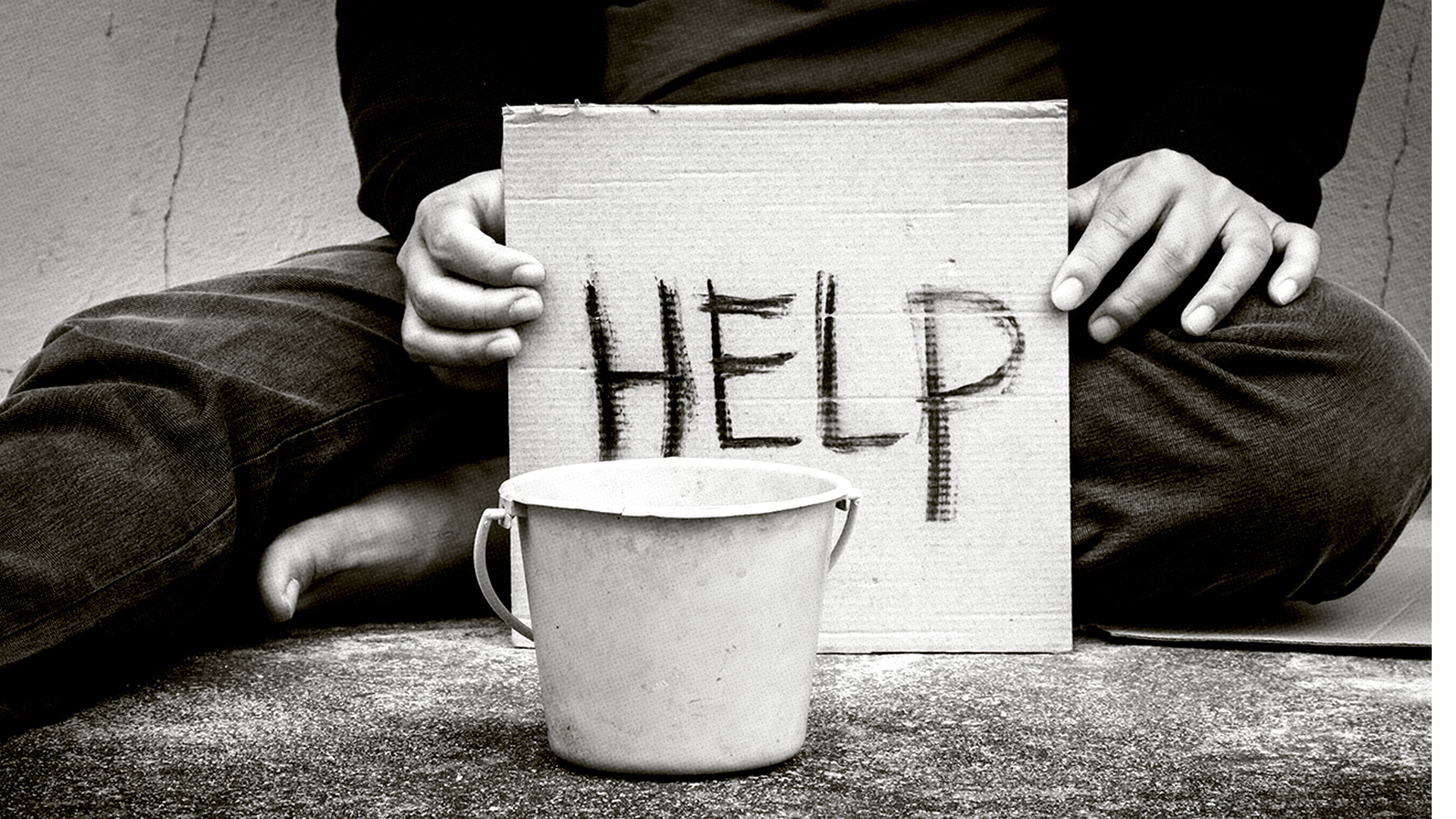
- The Debt Trap and Predatory Lending: For many individuals, consumer debt can become a debt trap, where they are forced to take on new debt to pay off existing debt, creating a cycle that is difficult to escape. High-interest credit cards, payday loans, and other forms of predatory lending can exacerbate this problem. These financial products often come with exorbitant interest rates and fees, making it nearly impossible for borrowers to pay off their balances in full.
Predatory lenders target vulnerable populations, including low-income individuals and those with poor credit histories, who may have limited access to traditional forms of credit. The result is a cycle of high-cost borrowing that can trap people in a downward spiral of debt, making it harder for them to achieve financial stability.
Addressing the Consumer Debt Problem
Given the serious implications of rising consumer debt, it is essential to address the root causes and find sustainable solutions. Here are some strategies that could help reduce the burden of consumer debt in modern economies:
- Improving Financial Literacy: One of the key ways to combat excessive debt is through financial education. Many people accumulate debt because they lack a clear understanding of how credit works, the true cost of borrowing, and how to manage their finances effectively. By promoting financial literacy, individuals can learn to budget, save, and make informed decisions about borrowing, reducing the likelihood of falling into debt.
- Regulating Predatory Lending Practices: Governments can play a crucial role in protecting consumers by implementing stricter regulations on predatory lending practices. This could include setting caps on interest rates, limiting fees, and requiring lenders to provide clear and transparent information about the terms and costs of loans. Strengthening consumer protection laws can help prevent vulnerable individuals from being exploited by high-cost lenders.
- Encouraging Responsible Borrowing and Lending: Financial institutions have a responsibility to promote responsible lending practices. This includes conducting thorough assessments of borrowers’ ability to repay and offering credit products with fair terms. Additionally, consumers should be encouraged to borrow only when necessary and to consider their long-term financial goals before taking on debt.
- Addressing Income Inequality and Stagnant Wages: To reduce reliance on credit, it is essential to address the underlying issues of income inequality and stagnant wages. Policies that promote fair wages, job creation, and economic mobility can help increase disposable income, making it easier for households to meet their needs without resorting to debt. This could include raising the minimum wage, supporting skills development, and investing in social safety nets.
- Promoting Access to Affordable Credit: Expanding access to affordable credit options, such as community banks, credit unions, and microfinance institutions, can help provide individuals with safer alternatives to high-interest loans. These institutions often offer lower interest rates and more flexible terms, making it easier for borrowers to manage their debt and avoid falling into a debt trap.
Conclusion
The problem of consumer debt is a complex and pervasive issue in modern economies. While access to credit can provide important financial opportunities, excessive and poorly managed debt can have devastating consequences for individuals and the broader economy. By addressing the root causes of rising debt, such as income inequality, predatory lending practices, and a culture of consumerism, we can help create a more sustainable financial landscape.
Promoting financial literacy, strengthening regulations, and encouraging responsible borrowing and lending are essential steps in reducing the burden of consumer debt. By taking these actions, we can help individuals build financial resilience, reduce their dependence on credit, and create a more stable and equitable economy for all.